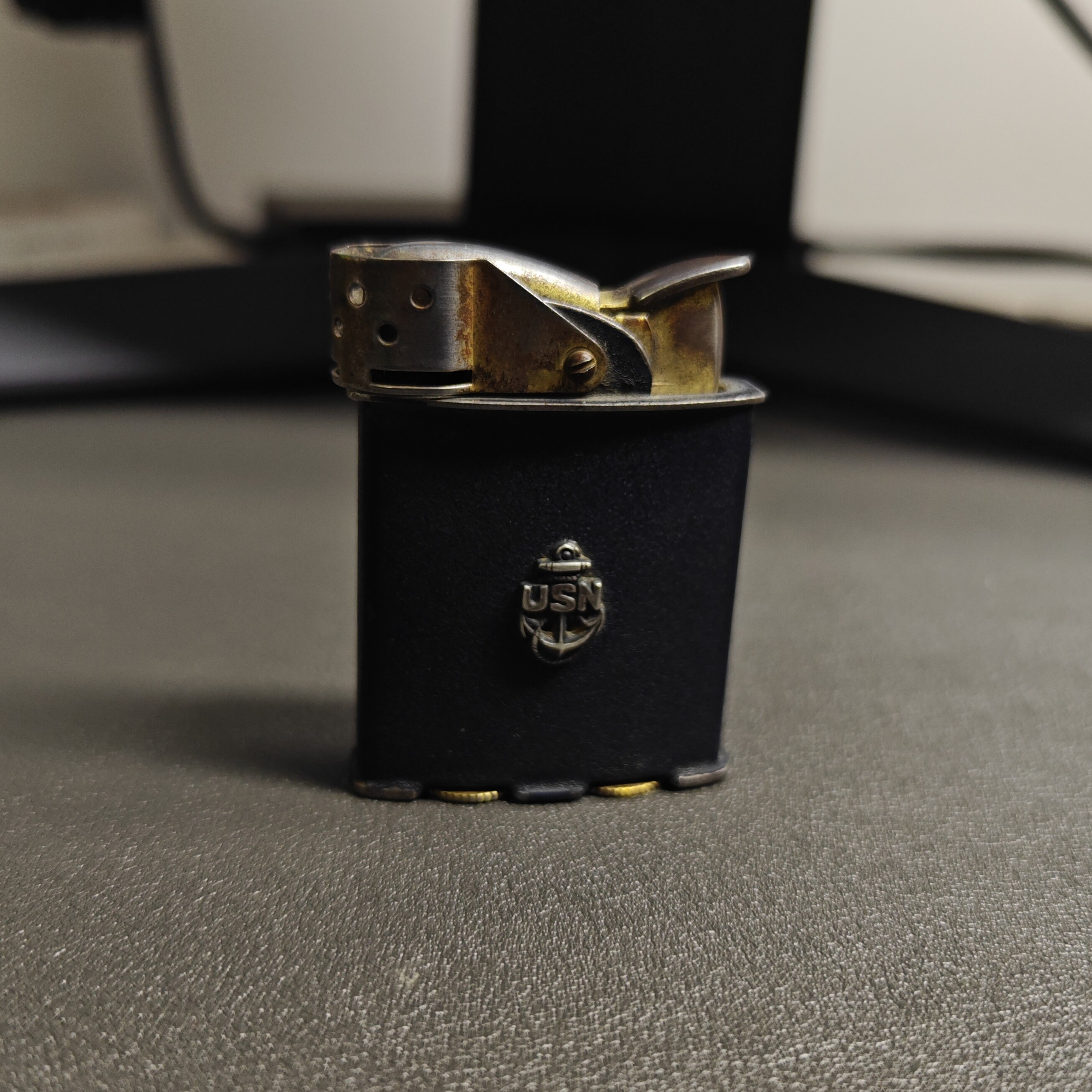
SPITFIRE
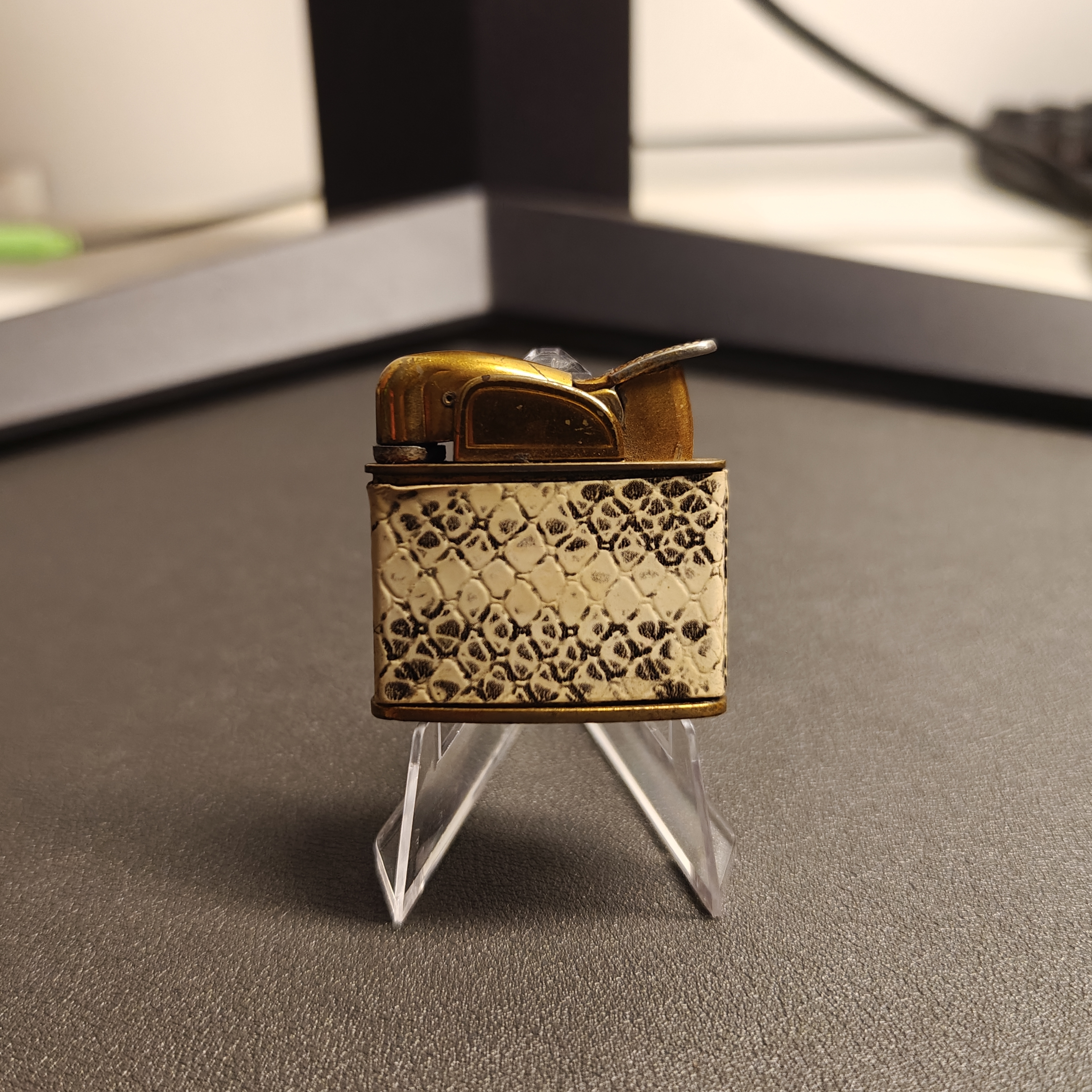
Engraved Pattern
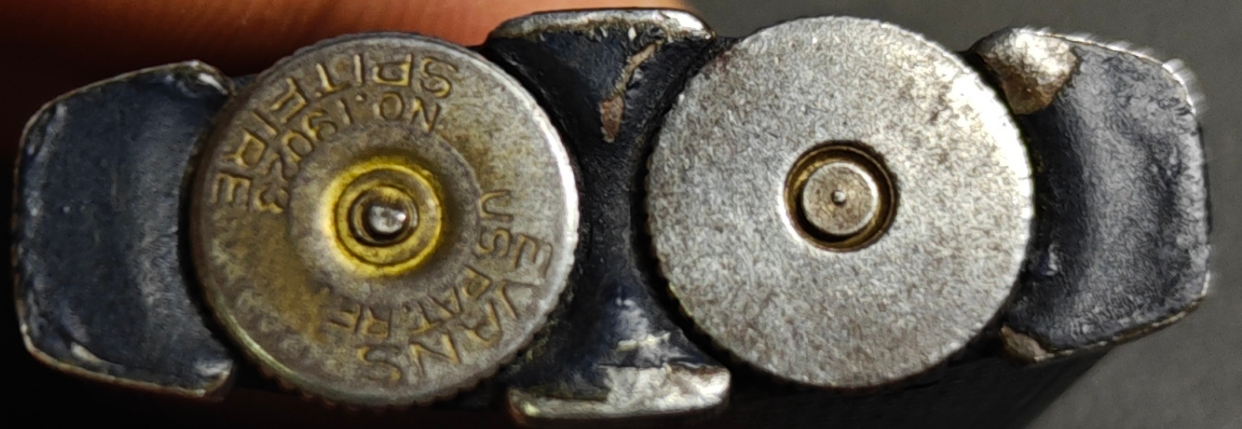
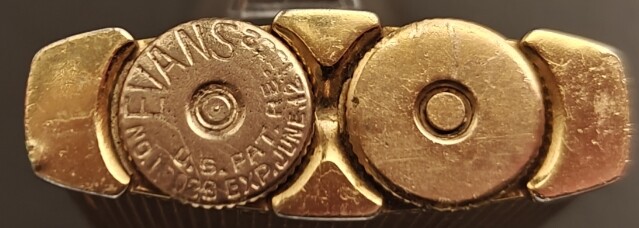
SPITFIRE
Patent Information
View details
Click any patent to view details
Series Overview
The Evans Spitfire series is the flagship fully automatic kerosene lighter launched by Evans Case Company in 1940. It was mass-produced from 1940 to 1960, replacing the previous flagship model, the Trig‑A‑Lite. The Spitfire became the brand's core benchmark product throughout its twenty-year market lifecycle.
The R&D goal of this series was to eliminate the fatal flaws of previous models. Earlier versions used a single-chamber design where refueling and flint replacement shared the same compartment, leading to kerosene soaking the flint, weak sparks, fuel leaks, and rapid evaporation.
Evans pioneered the Duplex dual independent isolation base structure, creating a complete physical separation between the fuel compartment and the flint compartment. This design eliminates oil-soaked flints and fuel leaks at the source, significantly enhancing operational stability and extending runtime.
The series also features an optimized fully automatic mechanical structure for one-handed operation: press to lift the arm and ignite, release to automatically close the lid and extinguish. Its slim, lightweight design fits perfectly in a suit pocket, making it ideal for everyday carry.
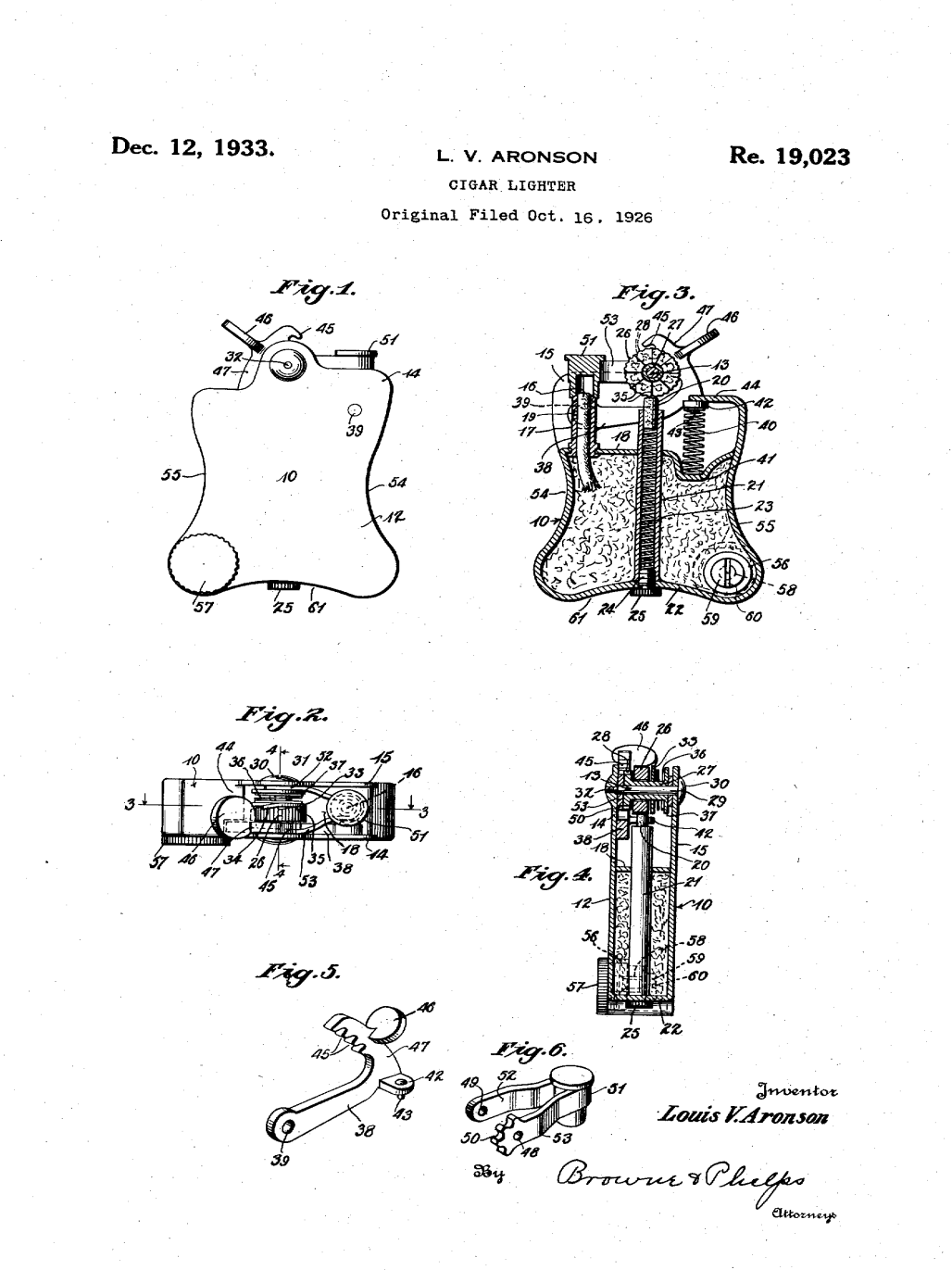
Due to the industry's patent landscape, the foundational structure of automatic arm-lift ignition is patented by Ronson (Patent No.: US Re.19023).
In 1934, Evans lost a patent lawsuit and reached a settlement. Under Ronson's patent dominance, Evans abandoned competing solely on structural replication and instead focused on core consumable technology. By developing its own proprietary composite wick material, Evans achieved more reliable ignition performance, creating product differentiation that laid the foundation for the subsequent success of the Spitfire series.
The series completed internal testing by the end of 1939, launched mass production in 1940, and comes standard with Evans' proprietary composite core across all models.
During the patent protection period from 1940 to 1952, each Spitfire model must pay Ronson a licensing fee of 1 USD, and the bottom-left screw on the fuselage must be engraved with the US Re. 19023 patent number. This foundational patent officially expired on 1952/6/12.
From a craftsmanship perspective, Evans perfected the brass-gold plating combined with heat-pressed leather wrapping process in 1946. Post-war, the consumer version received a comprehensive upgrade, launching mass-produced models featuring faux reptile skins such as snake, crocodile, and lizard patterns. This significantly expanded the series' visual identity and established the Spitfire line's signature, instantly recognizable style.
To meet market demands across all scenarios and price points—from civilian daily use and military service to desktop displays and business gifts—Evans has built a complete product matrix for the Spitfire series, divided into four core sub-models: 1. **Spitfire Pocket (Standard)** – The flagship model Overall dimensions: 52 × 32 × 1 mm; Weight: 32–4 g. Slim, lightweight, and highly portable, it fits seamlessly into suit jackets and clothing pockets. This is the best-selling model in the series.
The body features a solid brass, one-piece stamped head with a tilting design and a tail-mounted slide-press ignition mechanism. Gold-plated metal trim on the top and bottom edges provides effective protection for the body's coating.
The exterior finishes are diverse, including polished chrome, gold-plated, hammer-textured, enamel-painted, genuine leather, and reptile-skin styles. The mass production period for the snakeskin-wrapped version is 1946–1954.
II. Spitfire Service (Military Edition) (1942–1946) A military version custom-built for the U.S. Army during WWII. Features a matte, wear-resistant finish with no extraneous decoration, includes a foldable windscreen, and uses thickened fuel-cell cotton to withstand harsh outdoor conditions. The fuselage can be stamped with military insignia. Designed for durability and practicality; produced in limited quantities only during wartime.
3. Spitfire Table Desktop Model A vertical desktop unit with larger capacity, higher oil storage, and extended battery life.
The premium edition features luxurious craftsmanship, including pure silver engraving, hand-painted enamel, and a music box movement. Positioned for high-end display and collection, this model has extremely limited production runs, making it the rarest in the entire series.
4. Spitfire Caselighter: The 2-in-1 Cigarette Case and Lighter (1941–1948) A premium crossover model with an elongated body designed to hold 5 standard cigarettes. Combines storage and ignition in one sleek device, positioned as a high-end business gift. Features short production cycles, limited market availability, and strong collectibility.