Return Brand List
Chinese Name
Evans
Country
United States
Manufacturer
Evans Case Company
Year Founded
1918 year
EVANS
Brand Introduction
Evans is one of the most iconic luxury brands for smoking accessories and women's fashion jewelry, spanning the Art Deco to Mid-Century Modern eras.
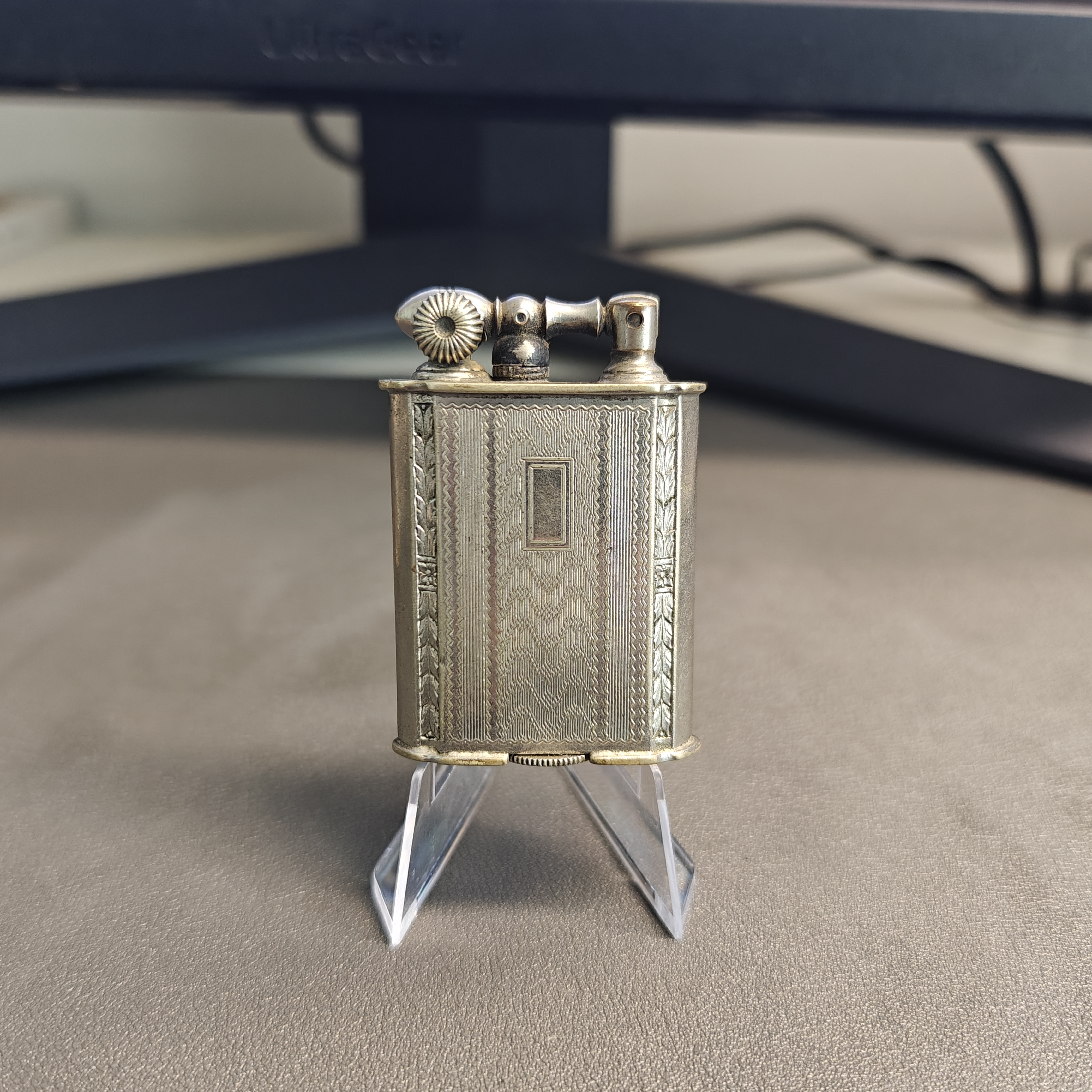
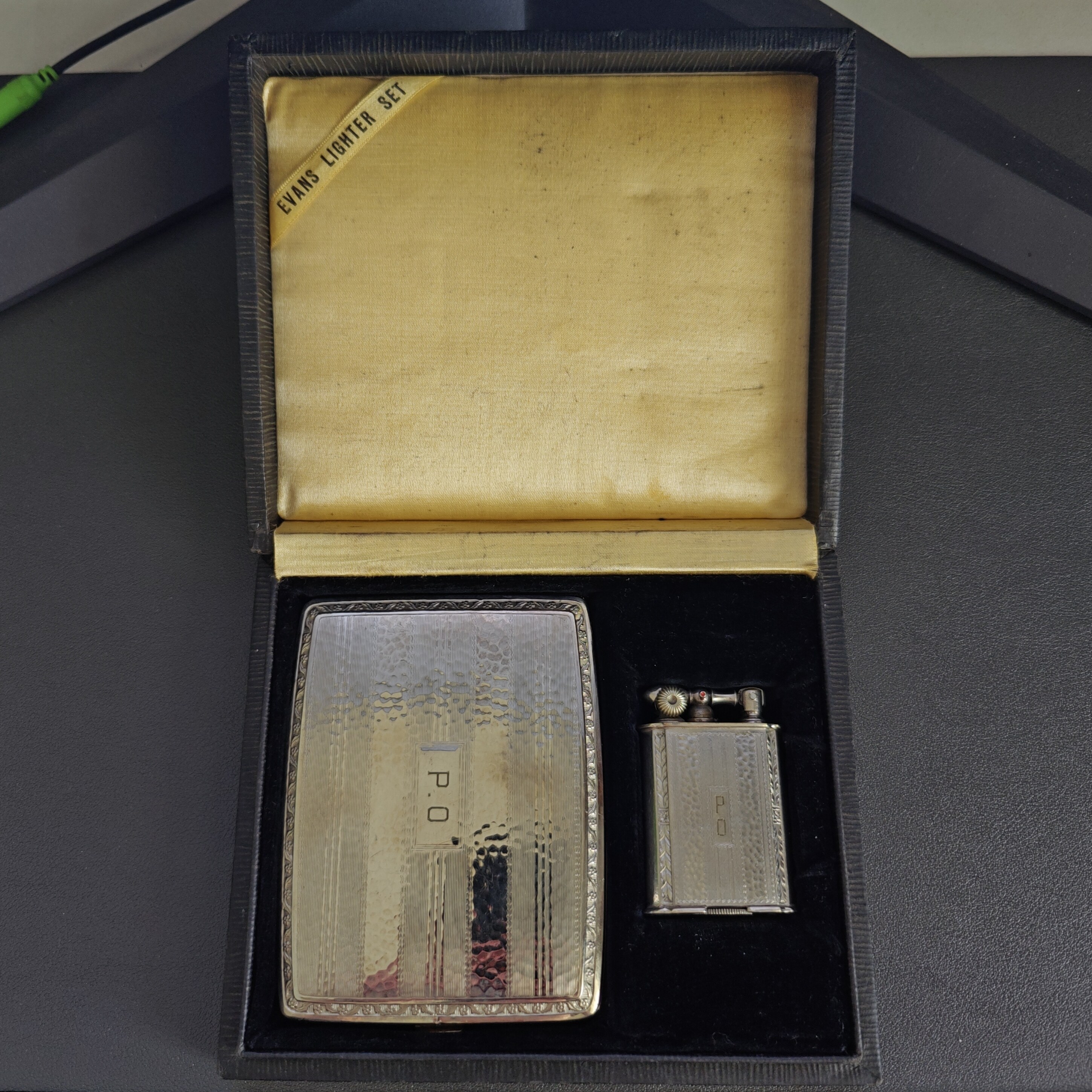
Founded in the early 19 century as a button manufacturer, the company pivoted entirely after World War I. Evans' core strengths lie not only in its precision ignition mechanisms but also in its unparalleled enamel work, intricate gold-and-silver inlay, and mother-of-pearl marquetry. Its product line includes luxurious all-in-one portable sets (Carryalls) combining lighters, cigarette cases, and lipstick or powder compacts; pocket lighters with integrated lipstick; and high-end desktop lighters that dominated the U.S. market during the 1940-50 decades—famous for their fruit and sculptural designs. In the collector community, Evans is widely recognized as one of the American brands that most seamlessly merges functional ignition mechanics with fine jewelry craftsmanship.
Milestones
1.1807–1918: Origins and Transformation (The Button-Making Era)
In 1807, Obed Robinson founded a jewelry business. Following the outbreak of war in 1812, the company pivoted to manufacturing soldier buttons, becoming America's first button factory. In 1848, Daniel Evans acquired the firm and renamed it D. Evans & Co. After World War I, a sharp decline in demand for military buttons drove the company toward bankruptcy. In 1918, new president Alfred F. Reilly established a "Novelty Department," shifting production to metal powder compacts, cigarette cases, and small accessories—laying the foundation for the brand's dramatic transformation.
Late 2.1920s–Mid 1930s: The Golden Age and Patent Wars (Birth of the Mechanical Lighter)
By the mid-1920s, Evans entered the lighter market. In 1927, they launched their first true lighter, the Lift Arm, which became an instant hit. Between 1928 and 1930, the company rapidly developed fully automatic and roller-bearing mechanisms. As the Ronson Corporation began monopolizing the market, Evans introduced the push-button Trig-A-Lite series, sparking a protracted patent infringement lawsuit. During the litigation, allegations surfaced that Evans had bribed the judge; ultimately, Evans was found guilty, forced to pay substantial royalties to Ronson, and converted into a licensed manufacturer.
Late 3.1930s–Late 1950s: Standardized Movements and Art Deco Peak (Desktops and Combos)
Following the legal defeat, Evans adjusted its strategy by developing a highly stable, standardized kerosene movement with uniform dimensions—the "Uniform Unit." This movement could be seamlessly fitted into any casing. Leveraging this innovation, Evans dominated the market from 40 to 50, releasing a wide array of artistically significant desktop lighters shaped like fruits (enamel pears, apples, pineapples), as well as fine porcelain, leather goods, and Abbotsware sculptures (including the famous Black Silver Slave Girl).
4.1958–Early 1970: The Butane Era and Brand Demise
Amidst the rise of Zippo and the gas lighter revolution, Evans introduced a butane system in 1958, maintaining the same movement dimensions to fit existing antique desktop bases. The company subsequently launched modern gas lighters such as the Eyeliter and Charger. However, facing intense competition from inexpensive disposable lighters from Japan and Europe, Evans ceased all lighter production in the early 1970s, quietly exiting the historical stage.
Brand Patent
View All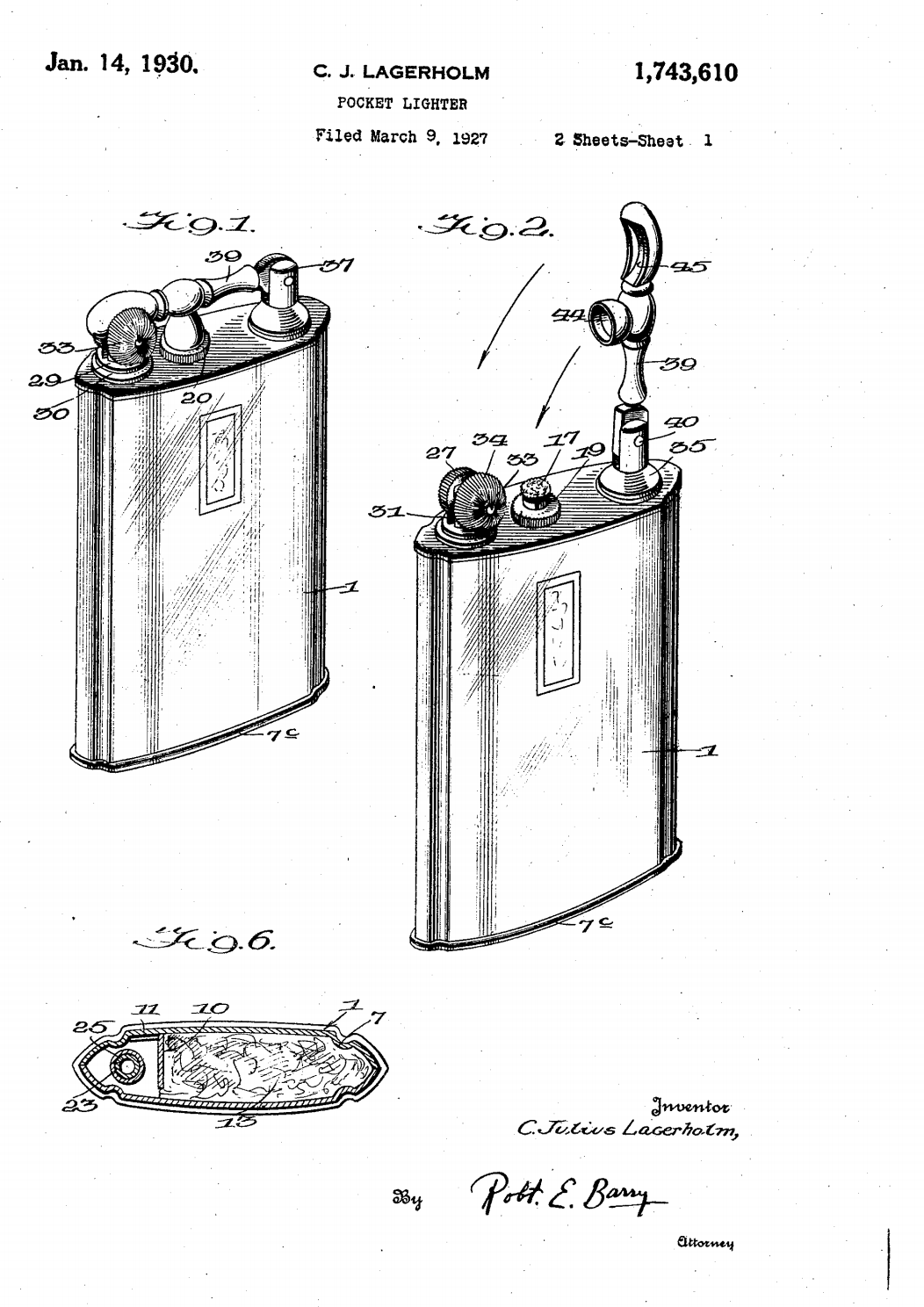
Ads & Articles
View AllNo ads or articles available for this brand.
Product Line
Lift Arm
1927Strictly speaking, the lift arm concept was pioneered and popularized globally by British brand Alfred Dunhill in the 1920s. However, Evans did not simply copy this design; it made critical structural modifications. While Dunhill's flint wheel is positioned horizontally (requiring lateral actuation), Evans' designers innovatively reoriented both the flint wheel and flint tube to a vertical arrangement and redesigned the spring linkage. This change successfully circumvented Dunhill's early patents, representing an independently filed invention patent that re-engineered the internal mechanical layout within an established industry standard.
Combo Cases
1930The arm-lifter or fully automatic mechanism is seamlessly integrated into cigarette cases, women's compacts, lipstick boxes, and even small wallets (such as the renowned "Evans Carryall"). While brands like Ronson also produced combination cases, Evans held multiple pioneering patents for its integrated compact-and-lighter designs—most notably a patent that unified the compact's latch with the lighter's base lock. This innovation stemmed from Evans' early expertise in compact manufacturing. In the antique accessories market, Evans' Combination design is universally recognized as the industry standard of its era.
Trig-A-Lite
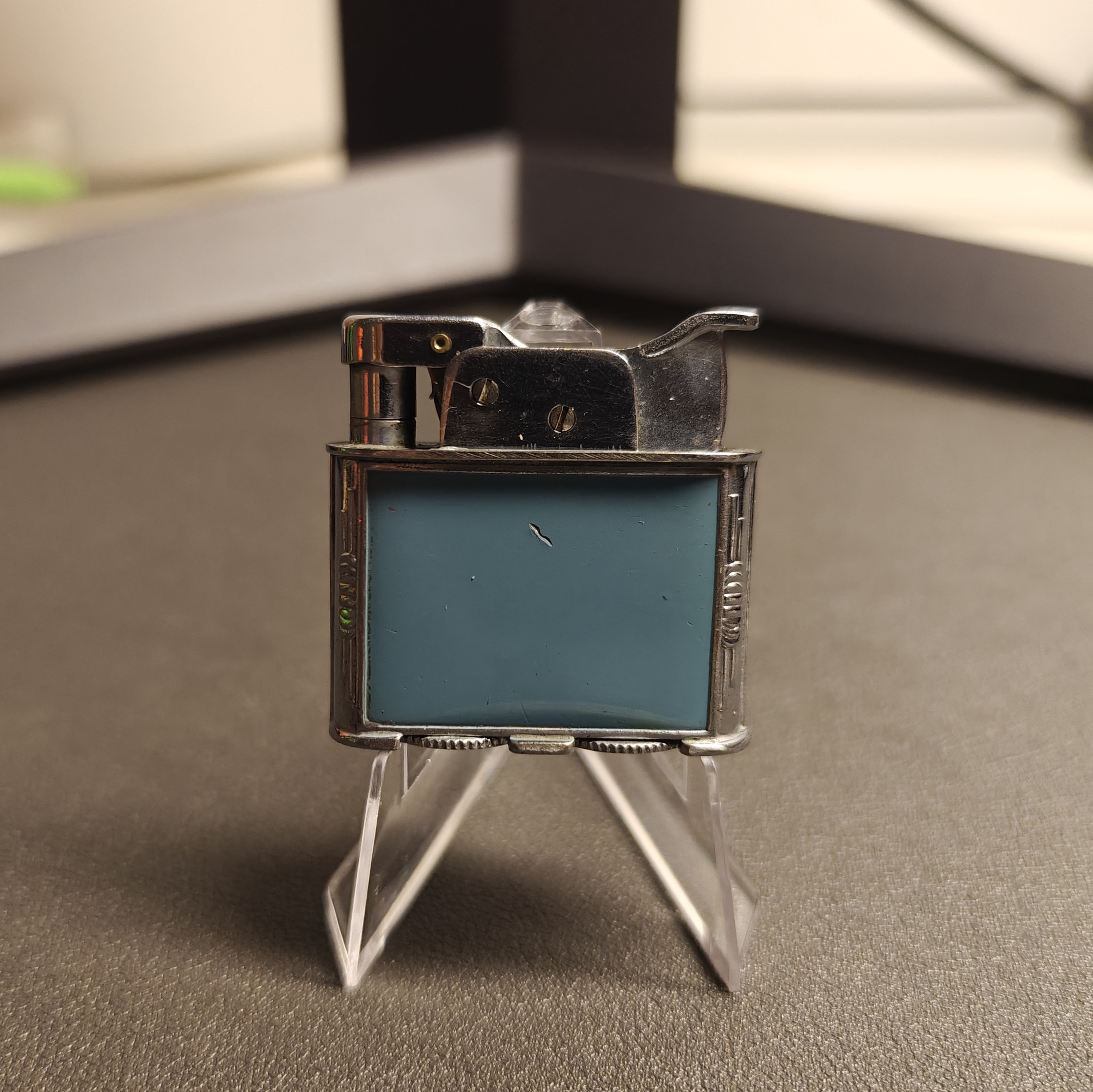
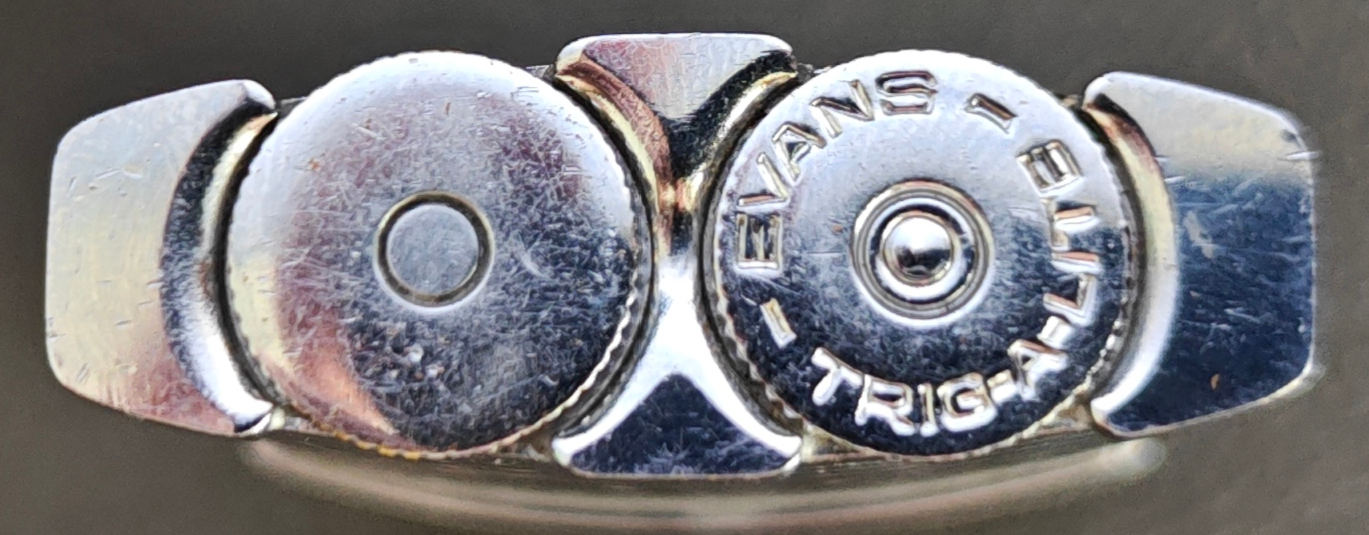
1930Series Features: Press down once to ignite with a friction spark; release to extinguish automatically.
Patent Background (Granted and Pending Applications):
Background: The absolute patent monopoly for the fully automatic "one-motion lighter" belongs to Ronson, which secured the Banjo patent in 1926. Any brand manufacturing a one-push automatic lighter in the U.S. faces strong litigation from Ronson.
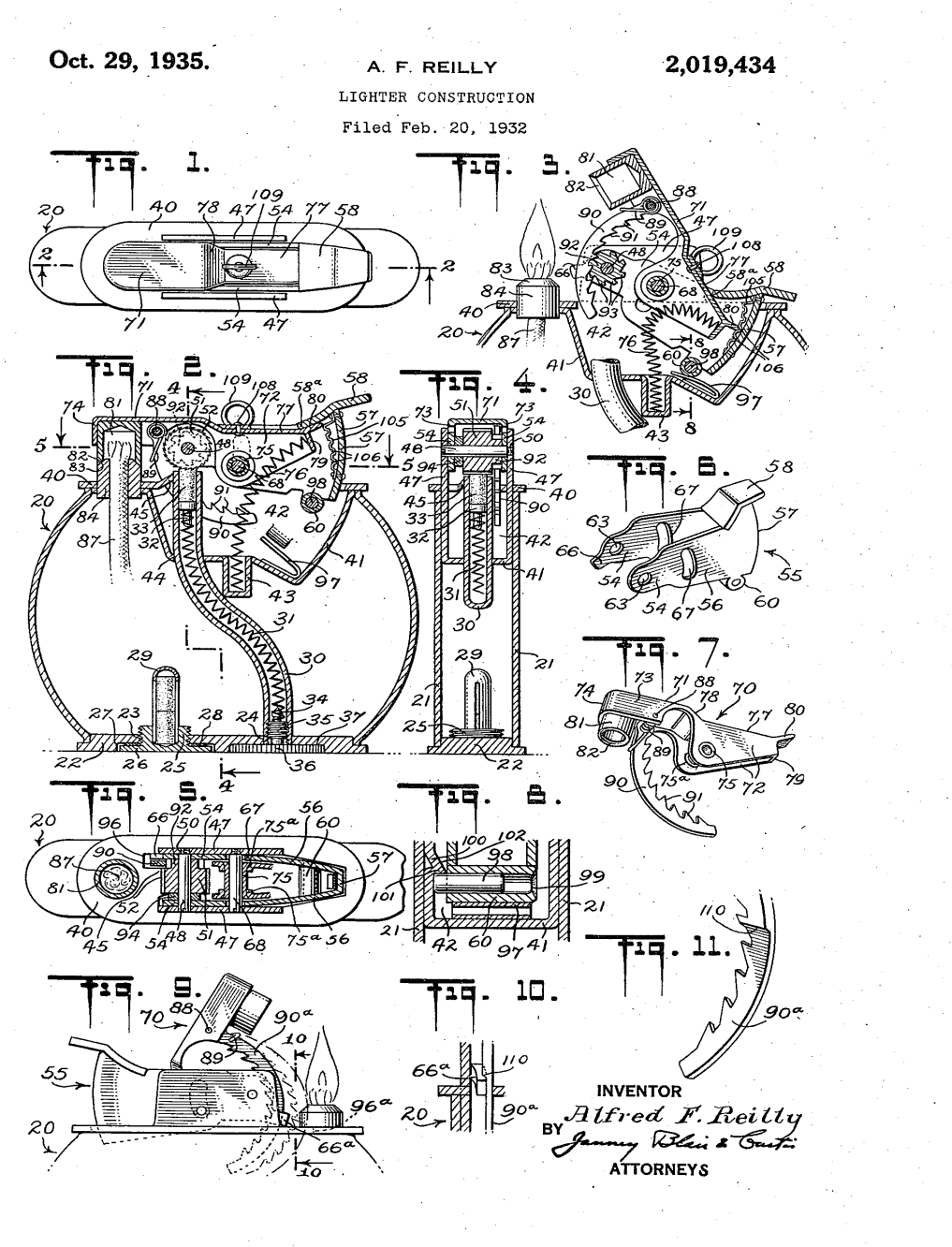
Evans' Strategy: In the early 1930s, Evans was sued by Ronson for producing a similar design. Thereafter, Evans adopted a dual-track strategy: on one hand, it paid licensing fees to Ronson and often displayed micro-markings like "Under Ronson Pat." on its automatic lighters; on the other, Evans engineers developed the "Trig-A-Lite" side-trigger push mechanism and the post-war Spitfire (later renamed Banner) wheel-drive automatic mechanism. By altering the spring force direction and gear engagement points, they successfully obtained their own improvement patents, transitioning from "fully dependent on licensing" to "partially self-improved."
SPITFIRE
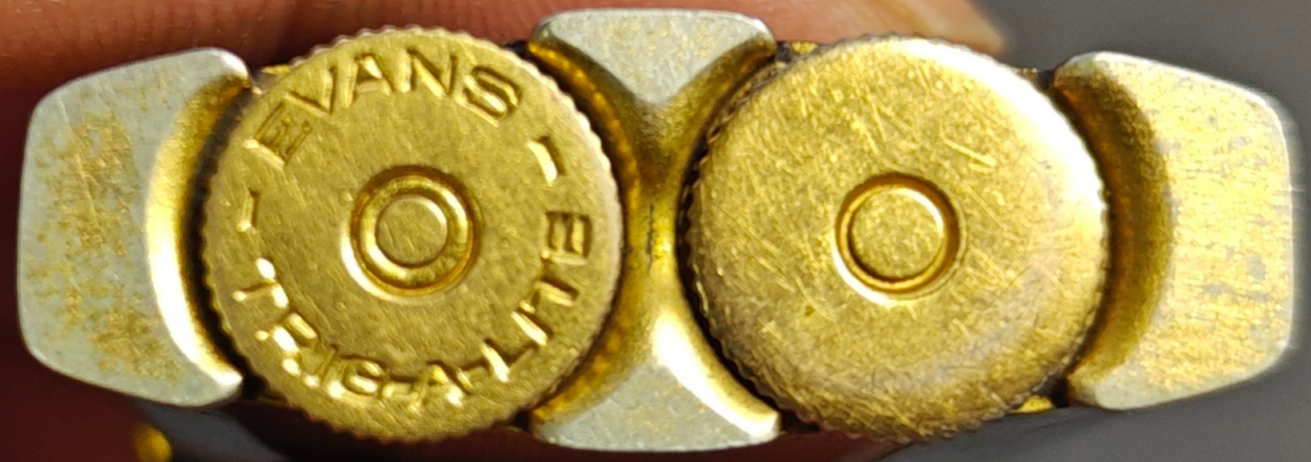
1940-1952The Evans Spitfire series is the flagship fully automatic kerosene lighter launched by Evans Case Company in 1940. Produced from 1940 to 1960, it replaced the previous model, the Trig‑A‑Lite, and became the brand's core benchmark product over its twenty-year market lifecycle.
The series was developed to solve fatal flaws of the predecessor: a single-compartment design where fuel and flint shared the same chamber, leading to fuel-soaked flints, weak ignition, leaks, and rapid fuel evaporation. To address this, Evans introduced a proprietary Duplex dual independent isolation base, physically separating the fuel and flint chambers. This eliminated oil-soaked flints and leaks while significantly improving reliability and run time. The series also refined the fully automatic mechanism for one-handed operation—press to lift the arm and ignite, release to drop the cover and extinguish. Its slim profile fits perfectly in suit pockets for everyday carry.
Due to industry patent restrictions, the basic structure for automatic lift-arm ignition was patented by Ronson (Patent No.: US Re.19023). In 1934, Evans lost a patent lawsuit and reached a settlement. Under Ronson's patent dominance, Evans abandoned direct structural replication and instead focused on core consumable technology, developing an exclusive composite special wick. This provided a more stable ignition experience, creating product differentiation and laying the foundation for the Spitfire series' future success.
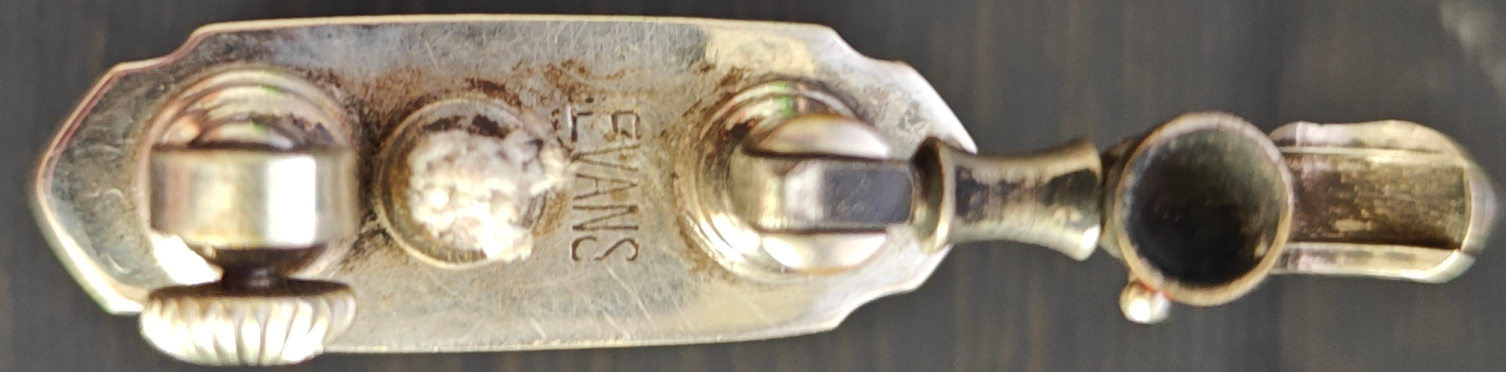
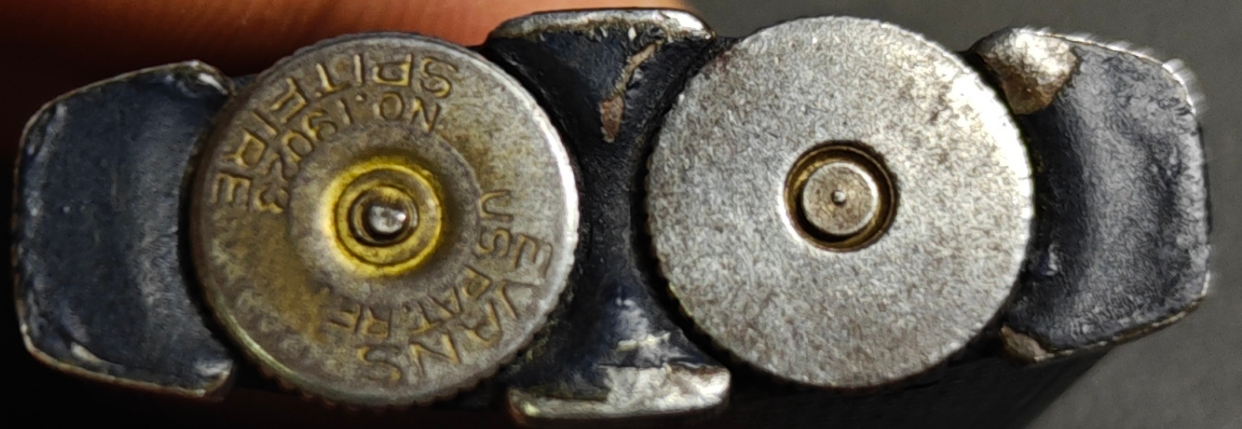
Internal testing concluded at the end of 1939, with mass production launching in 1940. All units shipped with Evans' proprietary composite wicks. During the 1940–1952 patent protection period, every Spitfire unit required a $9 royalty payment to Ronson. Additionally, a screw on the bottom left of each case was engraved with the US Re.19023 patent number. This base patent officially expired on 1952/6/12.
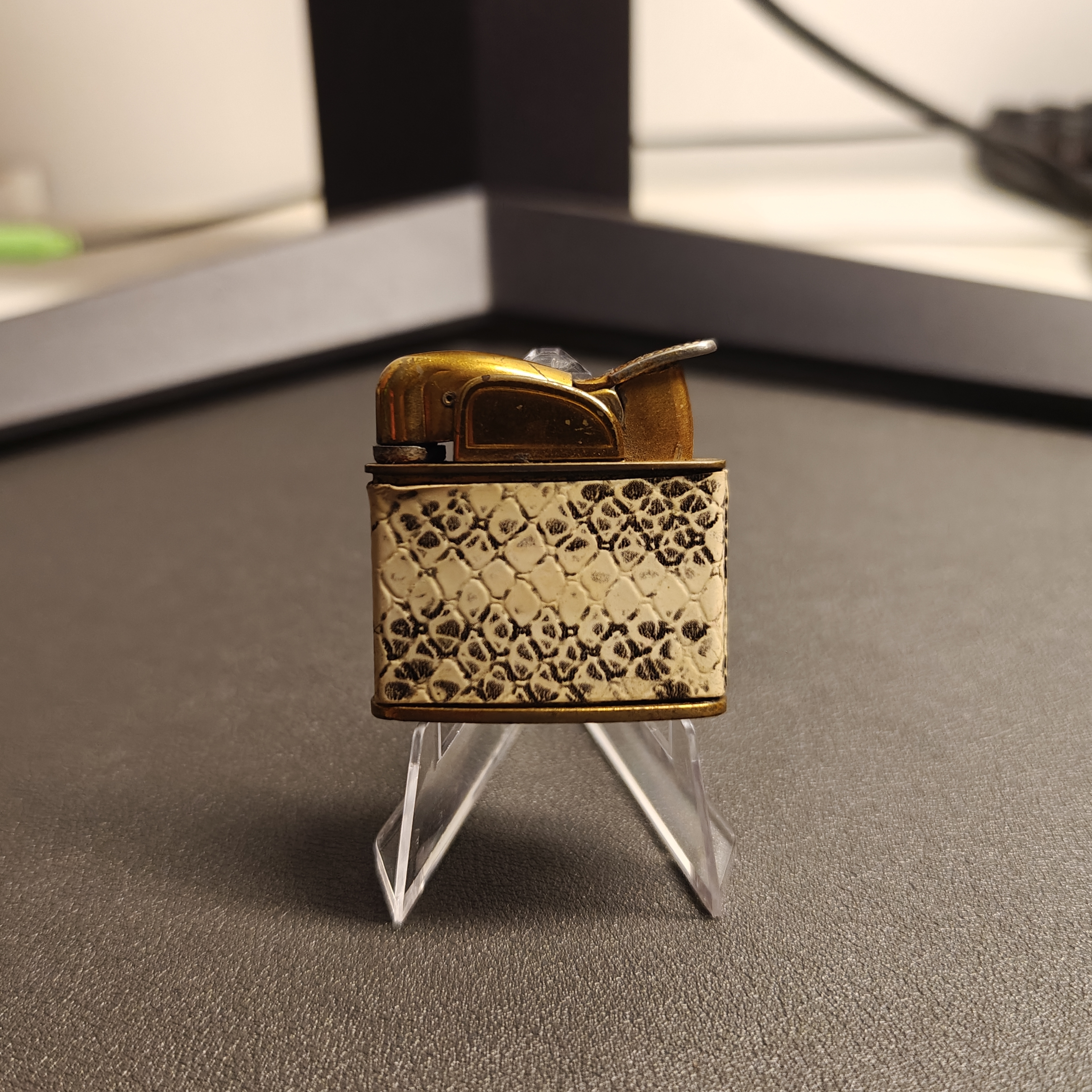
In terms of craftsmanship, Evans perfected gold-plated brass with heat-pressed leather wrapping in 1946. Post-war civilian versions received comprehensive upgrades, featuring simulated reptile skin finishes like snakeskin, crocodile, and lizard patterns. These options greatly expanded the series' aesthetic range, becoming a signature classic feature of the Spitfire line.
To meet demands across civilian daily use, military service, desktop display, and corporate gifting, Evans built a complete product matrix for the Spitfire series, divided into four core sub-models:
**1. Spitfire Pocket (Standard)**
Dimensions: 52×32×1 mm; Weight: 32–4 g. Slim and portable, designed for suit and clothing pockets, this is the best-selling model in the series. It features a one-piece stamped brass head with a tail lever push-button ignition. Gold-plated metal trim protects the casing edges. Available in various finishes including chrome, gold, hammer-texture, enamel painting, genuine leather, and simulated reptile skins. Mass production of the snakeskin-wrapped version ran from 1946 to 1954.
**2. Spitfire Service (Military) (1942–1946)**
A military version custom-made for the U.S. Army during WWII. It features a matte durable finish, removed decorative elements, and a folding wind shield. A thickened fuel reservoir wick adapts to harsh outdoor conditions, and the body can be stamped with military insignia. Focused on durability and utility, it was produced only for short periods during wartime.
**3. Spitfire Table (Desktop)**
A vertical desktop display model with a larger capacity, higher fuel volume, and extended run time. High-end versions feature sterling silver engraving, hand-painted enamel, or music box movements. Positioned as luxury decor and collectibles, these have extremely low production volumes, making them the rarest category in the lineup.
**4. Spitfire Caselighter (Cigarette Case & Lighter Combo) (1941–1948)**
A cross-category high-end model with an elongated design capable of holding 5 standard cigarettes. Combining storage and ignition functions, it targets the corporate gift market. With a short production run and limited market availability, it holds significant collector value.