Brand Introduction
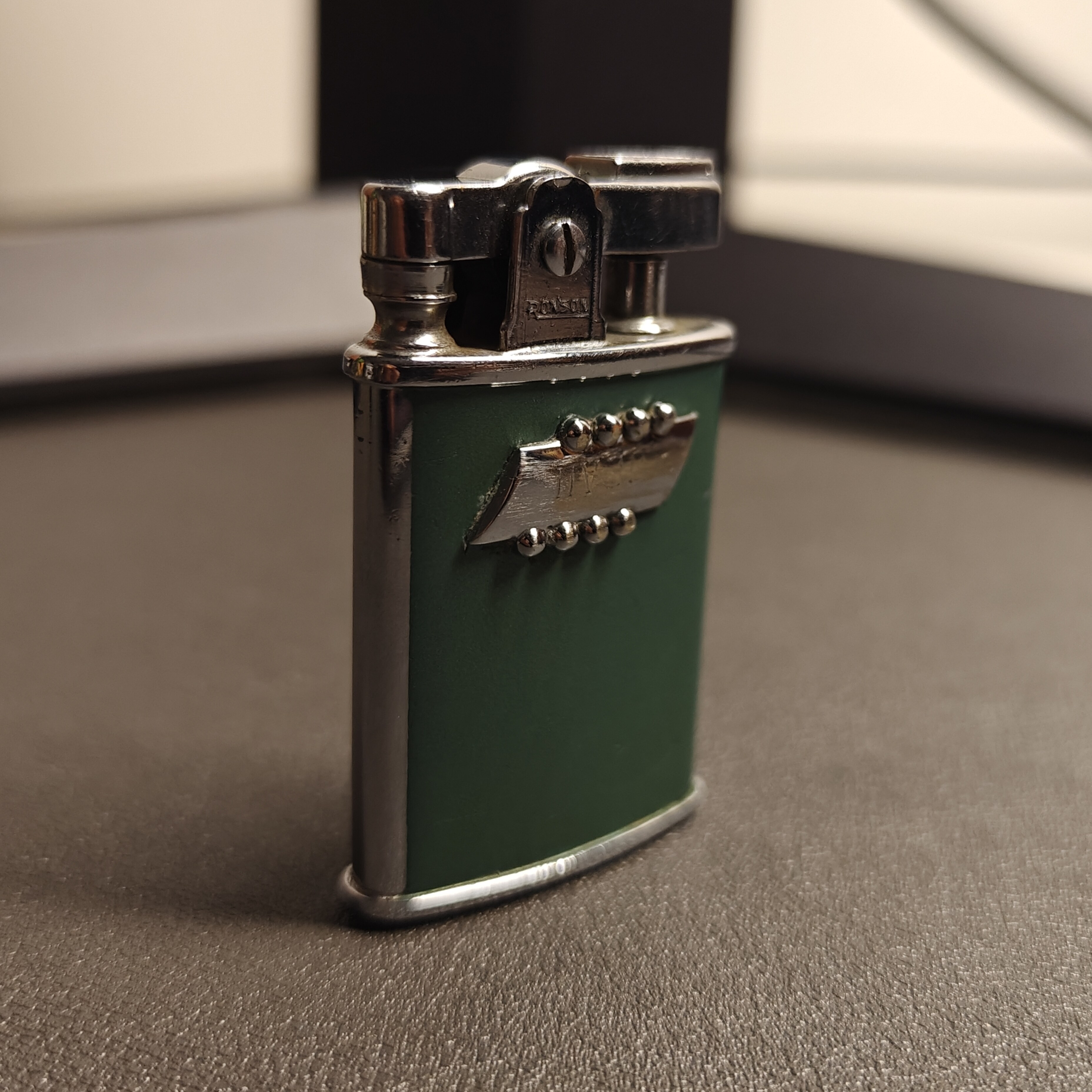
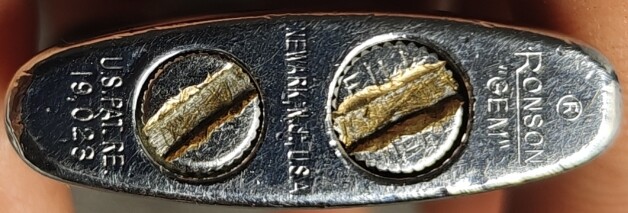
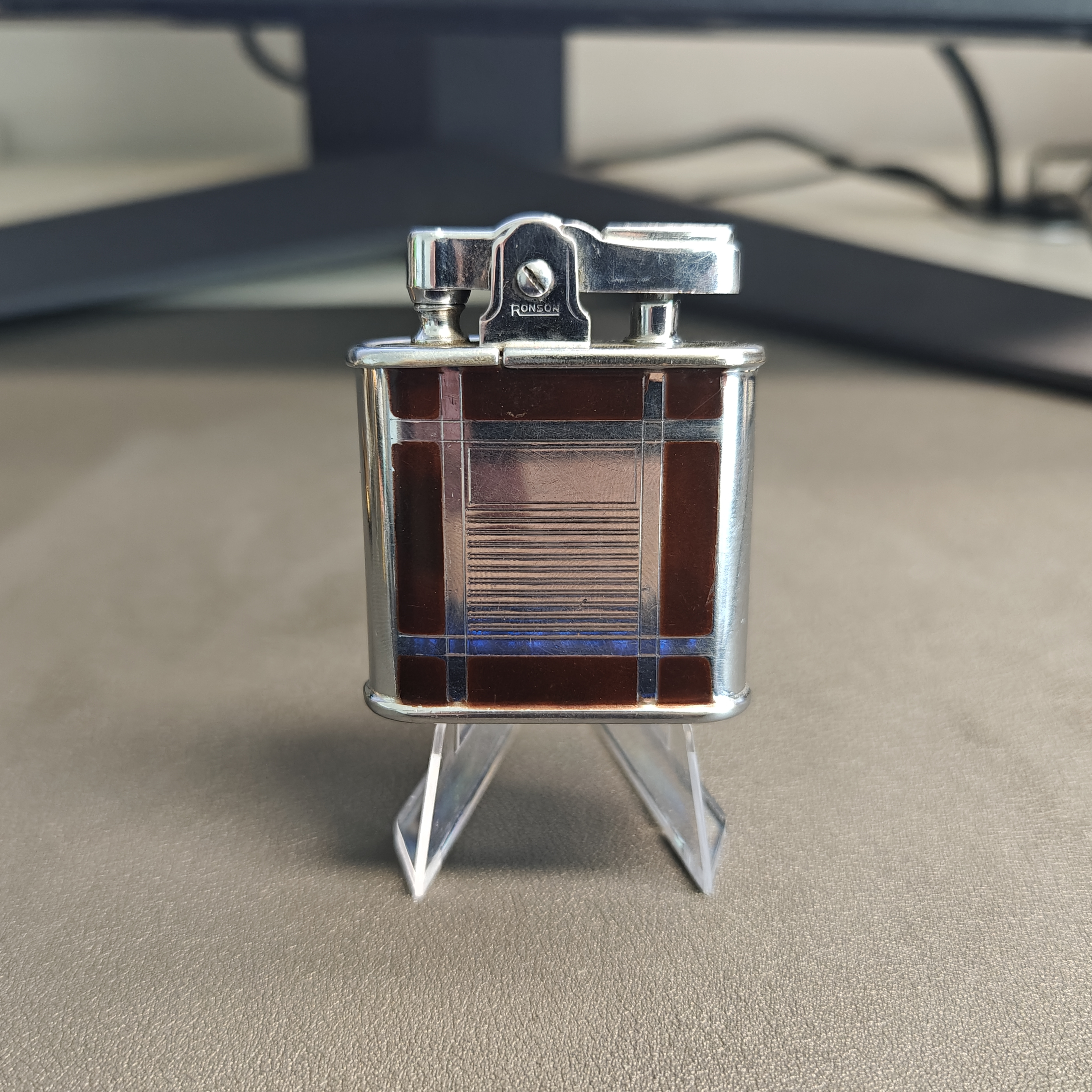
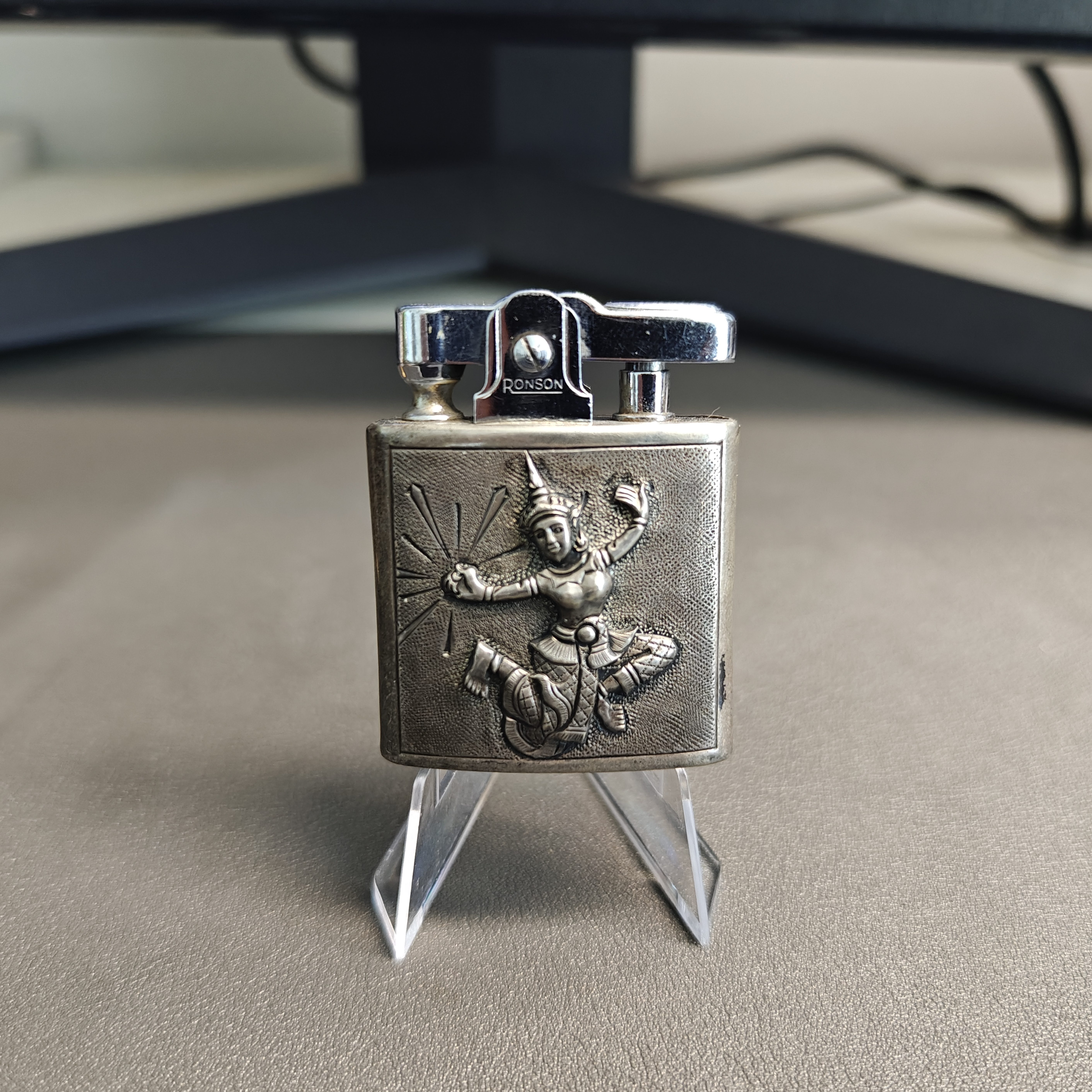
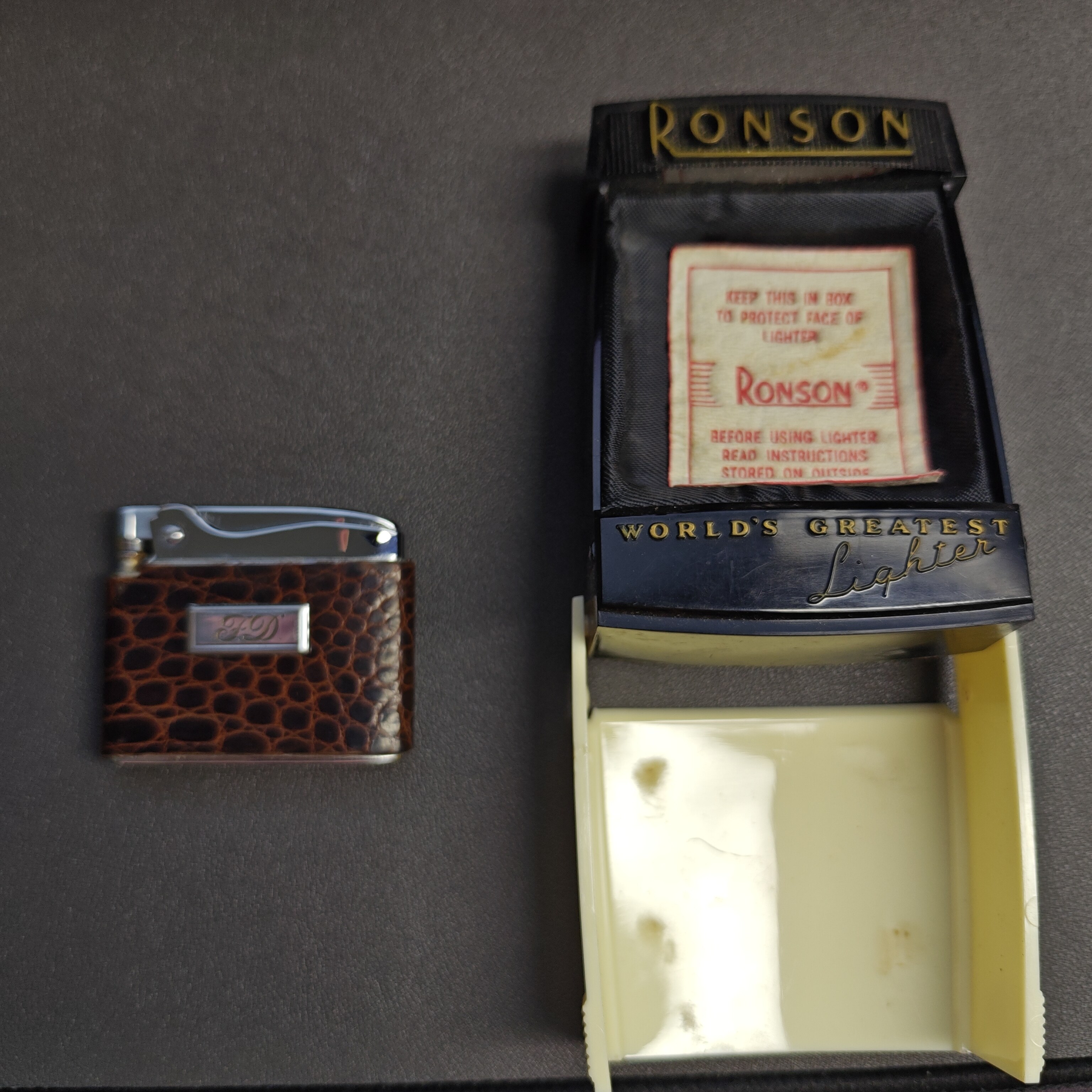
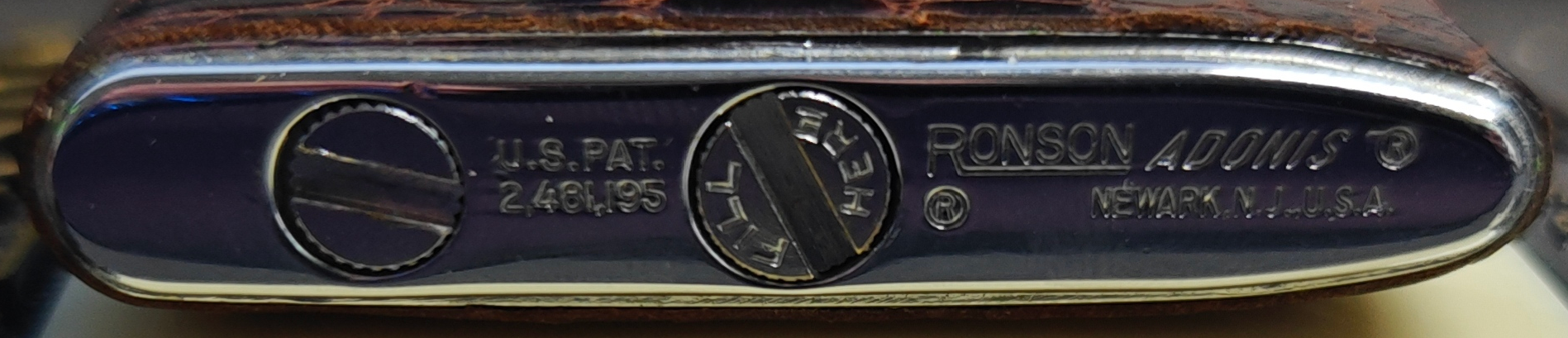
Ronson is the most disruptive pioneer in the history of the lighter industry and the originator of automatic lighters. Founded by industrialist Louis V. Aronson in 1896 in Newark, New Jersey, Ronson revolutionized lighters by transitioning them from "semi-automatic" to "one-touch fully automatic." Between 1920 and 1950, it established a formidable patent barrier for automatic ignition, effectively monopolizing the mechanical lighter market in North America and Europe. Known for its luxurious craftsmanship and designs spanning Art Deco to Modernism, Ronson is widely recognized as the top pillar among collectors' three essential vintage smoking accessories.
Milestones
1. The Era of Art Metal & Safety Matches (1896 – 1912)
Founder Alonson established The Art Metal Works, leveraging his exceptional metallurgy and electroplating expertise—including a patent-pending gold plating method. Initially, the company produced exquisite metal crafts such as figurines, lamp bases, and inkwells. Around 1910, he developed and sold early "non-fuel" ignition toys like the Pist-O-Liter, which used iron flints to create sparks, laying the foundation for future lighter development.
2. Entering the Fluid Lighter Market (1913 – 1925)
In 1913, the company launched its first pocket fluid lighter: the Wonderlite. This classic manual lighter required users to pull out a metal rod and strike it against the side, much like lighting a match. Despite its manual operation, the Wonderlite marked the beginning of Ronson's dominance in the smoking accessory market.
3. Launch of the Fully Automatic "Banjo" and Patent Monopoly (1926 – Late 1930s)
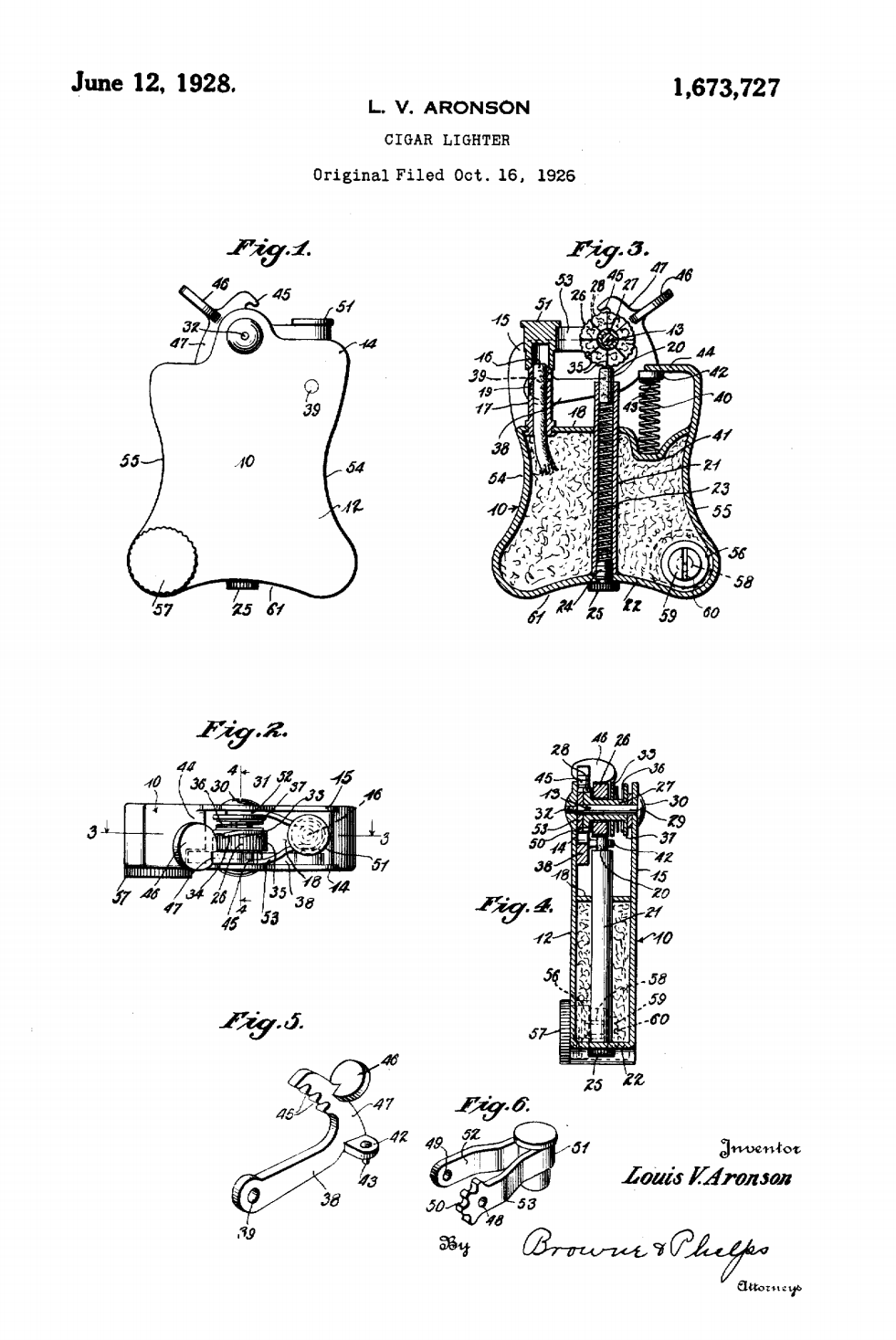
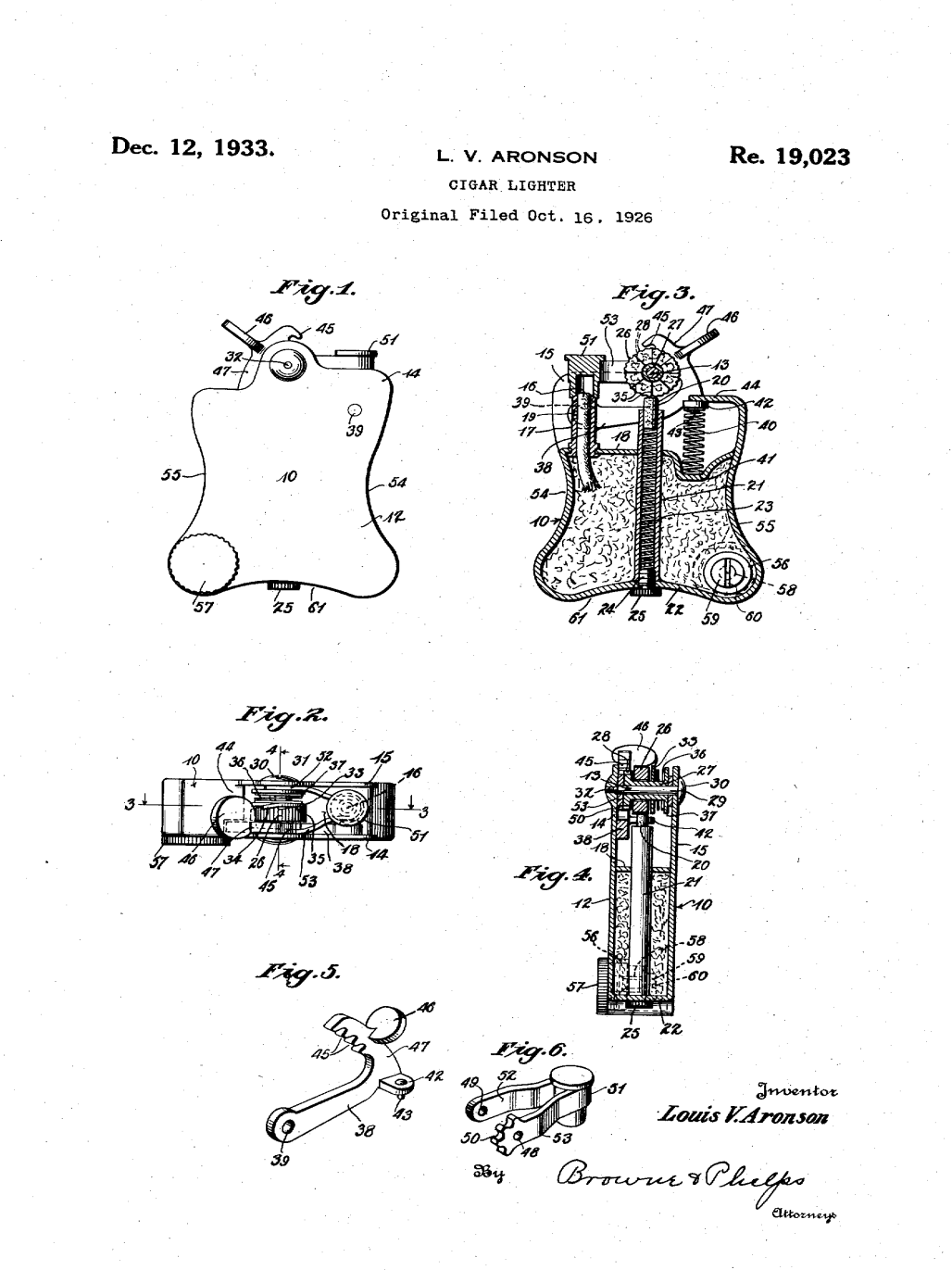
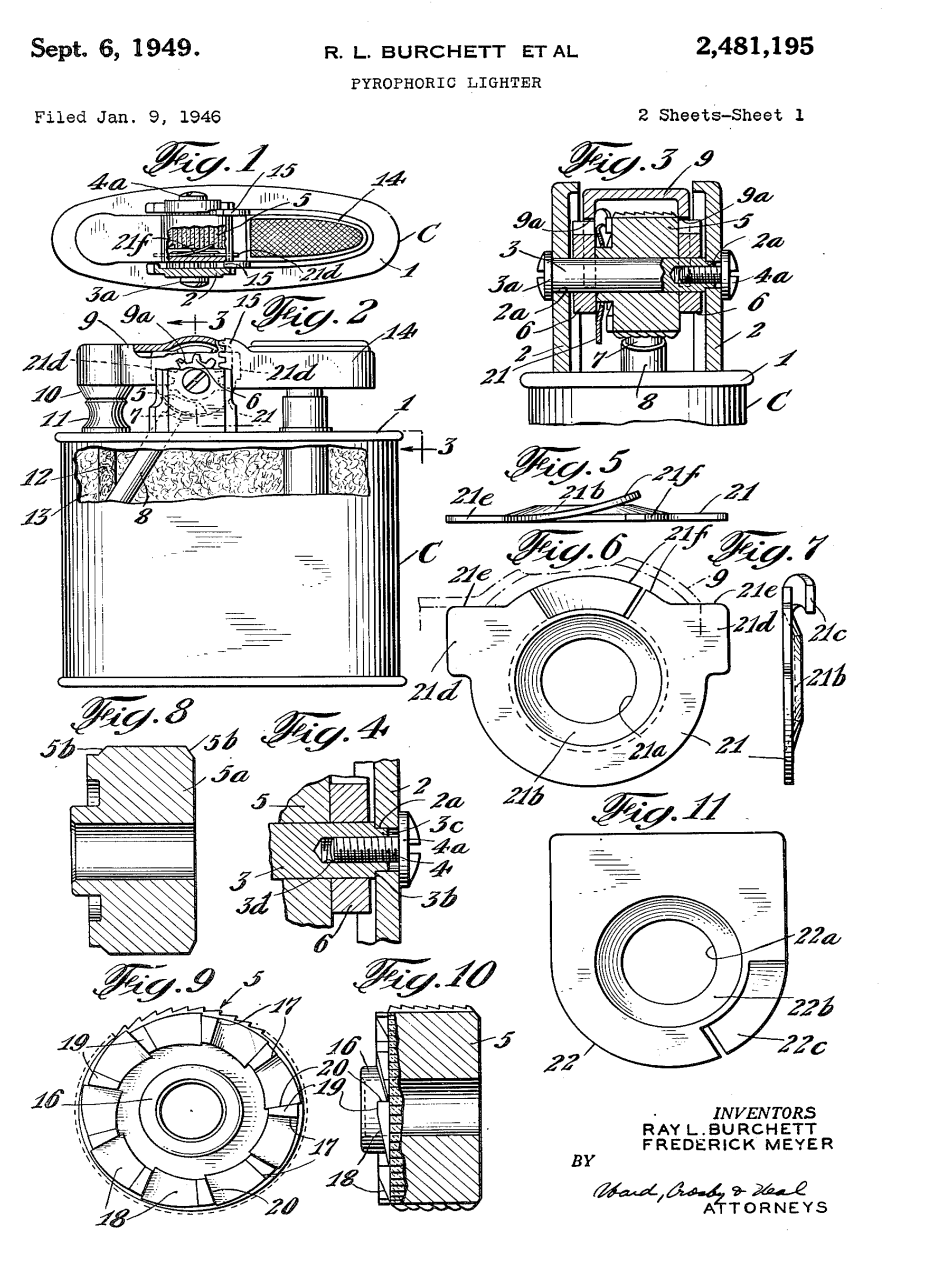
1926 was a milestone in lighter history. Alonson invented and released the world's first one-button automatic lighter, the Ronson Banjo. Its slogan, "A press, it's lit; release, it's out," swept the globe. Throughout the 1930s, Ronson leveraged this full-automatic patent to sue all competitors (including Evans and Marathon). Through litigation victories and licensing agreements, the company forced the entire industry to pay royalties.
4. WWII Military Production and the Battlefield-Famous Whirlwind (1940s)
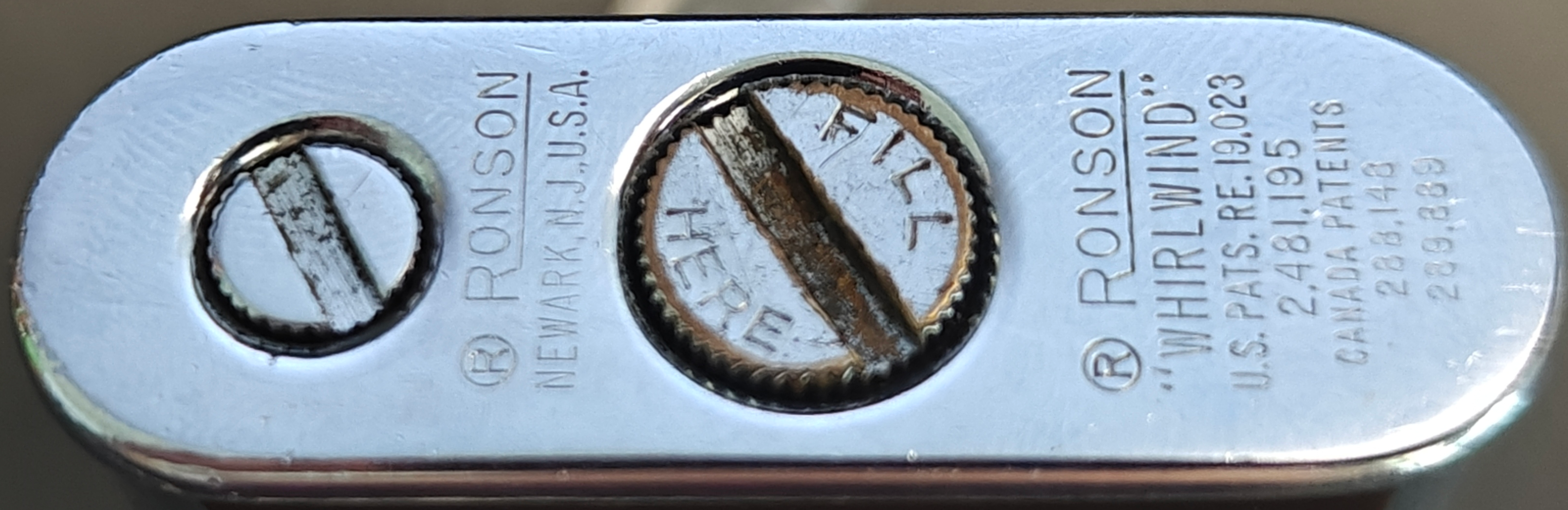
During World War II, Ronson mass-produced military supplies for the U.S. Army. Simultaneously, its Whirlwind lighter, featuring a specialized windproof sleeve designed for outdoor use, accompanied American soldiers overseas. Alongside Zippo, it became one of the most iconic smoking accessories on the battlefield.
1940. Gas Technology Transition (1950s – 1960s)
Post-war demand for long-lasting, clean energy led Ronson to launch the groundbreaking Varaflame gas lighter series in 1957. This line introduced an iconic adjustable flame valve, once again setting the global trend for gas lighters.
5. Decline and Brand Splitting (1970s Onward)
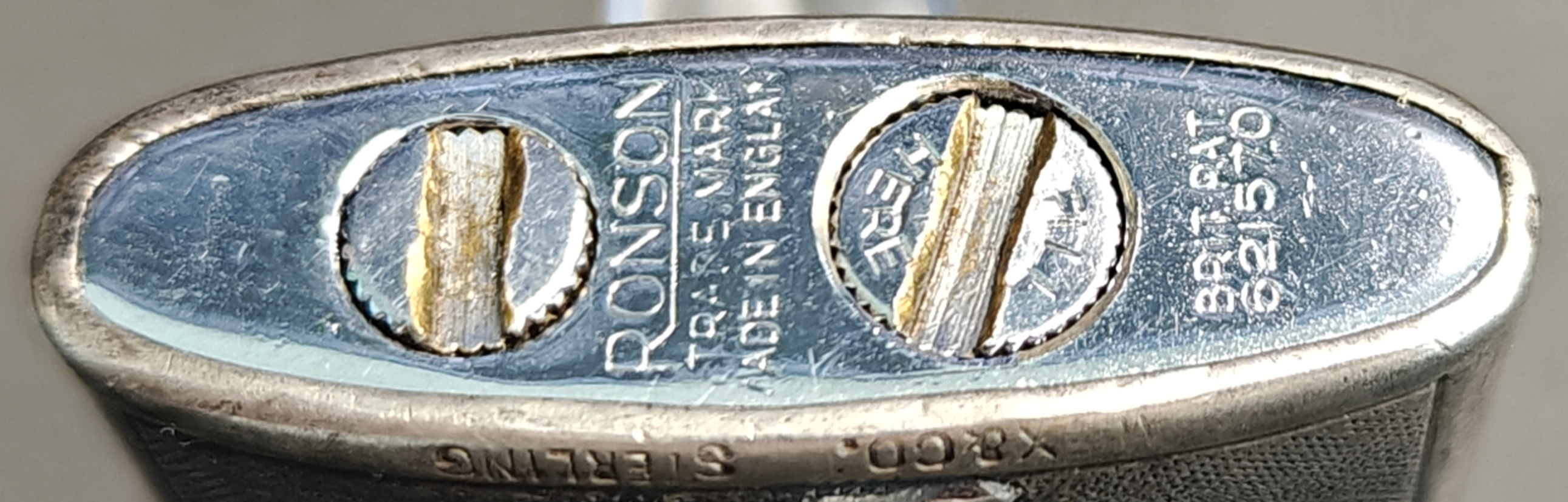
Facing competition from cheap plastic disposables and rising anti-smoking movements, high-cost domestic U.S. factories became unsustainable. During the 1970-1980s, Ronson gradually closed, sold, and split its global operations (such as separating UK Ronson from US Ronson), marking the end of an era. Later, in the 21th century, the Zippo Group acquired certain brand assets.