
Chinese Name
AP
Country
Germany
Manufacturer
Altenpohl & Pilgram GmbH
Year Founded
1930 year
Altenpohl & Pilgram (AP)
Brand Introduction
Altenpohl & Pilgram GmbH(AP, an acronym derived from the first letters of the founders' surnames) is headquartered in Pforzheim, Germany—a global hub for jewelry, precision hardware, and lighters. Founders: Rudolph Altenpohl and Cuno Pilgram. Prior to co-founding AP, Rudolph worked at KW (Karl Wieden), a historic German lighter manufacturer, where he mastered the core technology for fully automatic fuel lighters before launching the company with his partner.
Milestones
Phase 1: Founding & Patent R&D (1932–1935, AP Initial Model)
1932: Rudolph Altenpohl and Cuno Pilgram established a factory in Pforzheim, founding Altenpohl & Pilgram GmbH. Leveraging Rudolph's experience with automatic lighter mechanisms at KW, they began developing proprietary structures.
1934: Filed for German utility model patent; launched the first generation.AP20 / AP20-1/2Base model featuring our proprietary slow-leak oil-absorbing cotton core. Optimized oil-control logic compared to contemporaries like Regal Regeliter; the brand's first mass-produced unit (patent records available via lighterlibrary).
1935: Officially registeredPilotFor commercial branding, the "AP" name is discontinued for external sales and retained only as an engraving on the factory base. Gunter Broesan's "1000 Feuerzeuge" documents 1935 original AP Art Deco automatic lighters, identified as the brand's iconic pioneering models.
Phase 2: Pre-War Mass Production Era (1935–1939, Pilot Gen-1 Pocket Device)
Fully transition to mass production of the Pilot series, launching AP40 and AP50 standard-size pocket devices with an improved dual fuel tank structure for extended battery life.
Exports to multiple European countries (France, Switzerland, Belgium); established as a leading exporter of civilian lighters from Germany.
Standardized design: Square right-angled body, single-side flip cover with automatic trigger, and classic diamond geometric engraving. This is the most common AP/Pilot collection from over 1940 years ago in circulation today.
Phase 3: Stagnation During WWII and Post-War Reconstruction (1940–1949)
1940–1945: Factory retooled for military-grade precision metalworking; lighter production halted entirely. Only limited stock models remain in civilian circulation. Strict wartime metal controls prevent new product development.
1946–1949: Resume civilian production post-war; restore pre-war AP40/50 molds; simplify casing processes (reduce gold plating, switch to chrome); launch simplified Postwar Pilot No.50, retaining the 1934-year base patent with only minor cosmetic updates.
Phase 4: Peak Product Line Expansion (1950–1965): Parallel rollout of Pilot, Meteor, and Alpimeta
1950 newMeteorSecondary line: Rounded arc body, large desktop lighter designed for home use with dual-tank capacity.
1955 introduced the premium lineAlpimetaEncased in genuine leather, adorned with intricate precious metal engraving, and featuring custom enamel finishes. Designed for the gift and collectibles markets, this corresponds to the official product catalog from 50's era (a complete collection housed in the Lighter Library).
Mechanical Iteration: Redesigned automatic trigger spring structure to reduce failure rates; introduced compact portable models Pilot G and Pilot S Slim ultra-thin variants.
Full product range: pocket portable, desktop heavy-duty, pipe-specific angled flame, and women's compact narrow-body models.
Stage 5: Decline and Discontinuation (1966–1975)
Late 60s: Disposable plastic lighters entered the European market; the fuel lighter market continued to shrink.
In 1970 years: Discontinue high-end Alpimeta and Meteor lines; retain only the affordable Pilot model.
1975: Altenpohl & Pilgram GmbH permanently ceased production, discontinued the brand, and scrapped all molds and patents with no successor manufacturer.
Brand Patent
View AllThis brand has no patent information.
Ads & Articles
View AllNo ads or articles available for this brand.
Product Line
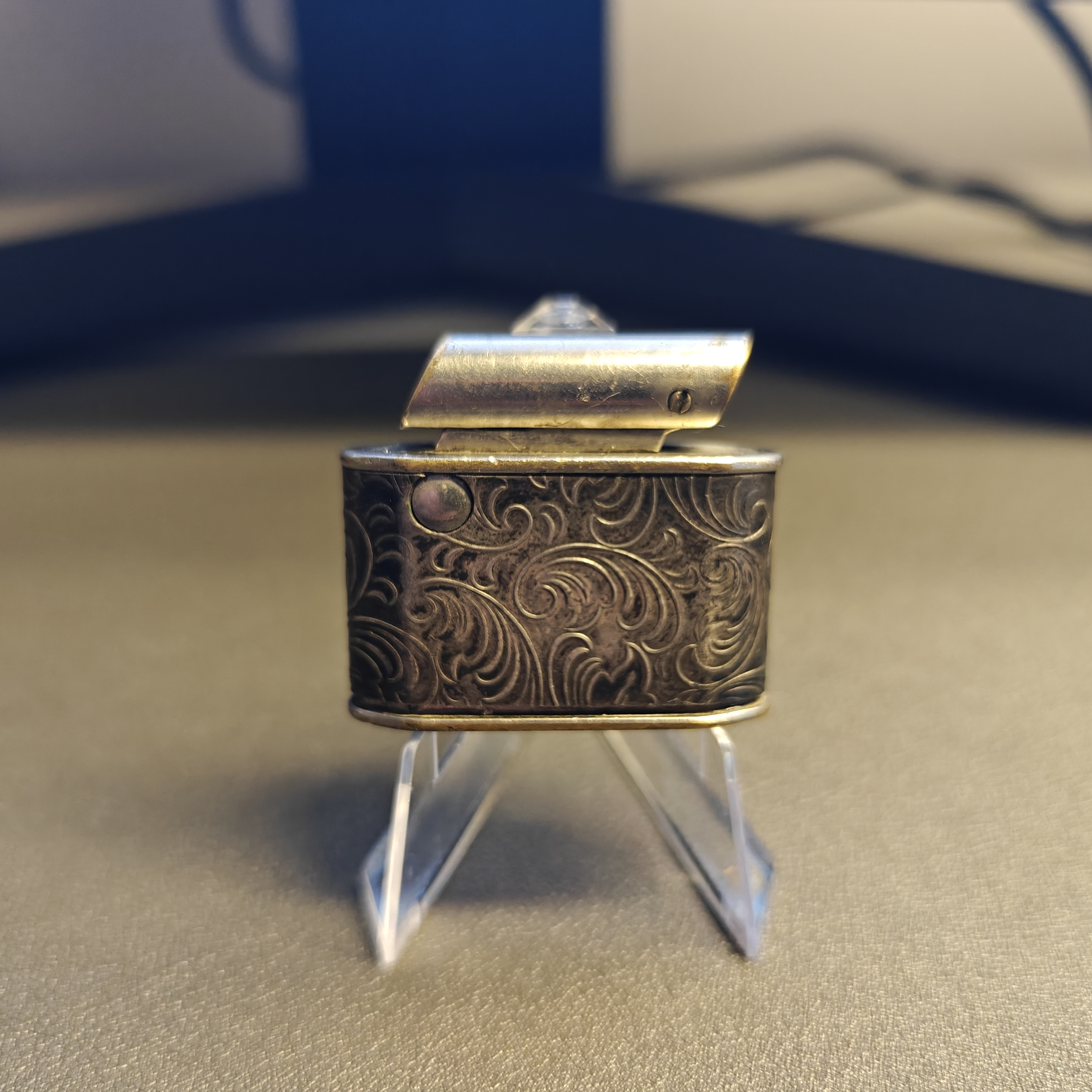
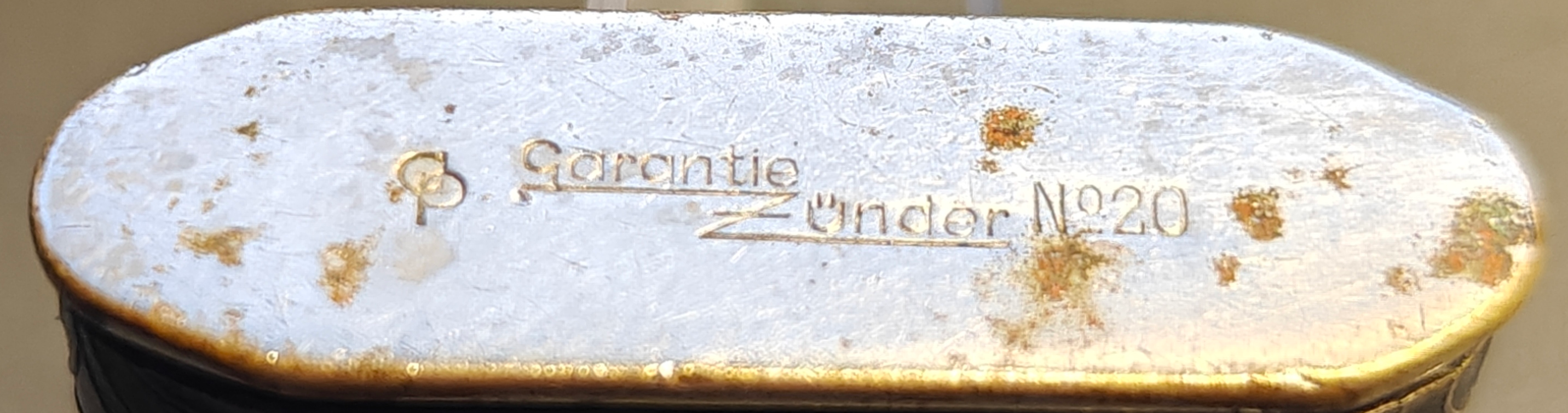
AP20
1930-1938AP Series 1930–1939: Pre-War Gold Mass Production Period
Standardized models available in 3 sizes: No.20 (Mini Portable, i.e., AP20), No.40 (Standard Medium), and No.60 (Large Gentleman's Pure Silver). Also released with etched, enamel, pure silver, and gold-plated finishes—the most collectible batch.
1940–1945 WWII production cutback
Civilian lighter production capacity is reduced; only a limited number of simplified, plain-body models without engravings are manufactured for military and civilian supply. Engraved casing production lines have been suspended.
1946–1950 Late post-war recovery phase
Restarted Production Line No. 20/40/60, but with significantly simplified casing decoration, thinner plating, and reduced etching patterns; material quality was compromised. Gas lighters gained popularity while kerosene model sales continued to decline.
1955–1962 Discontinued
Mass production of 1955 kerosene lighters ceased in 1962, with only sporadic repair parts available; the factory officially closed in {2}, rendering all patents and molds obsolete. No new original units have been produced since.。
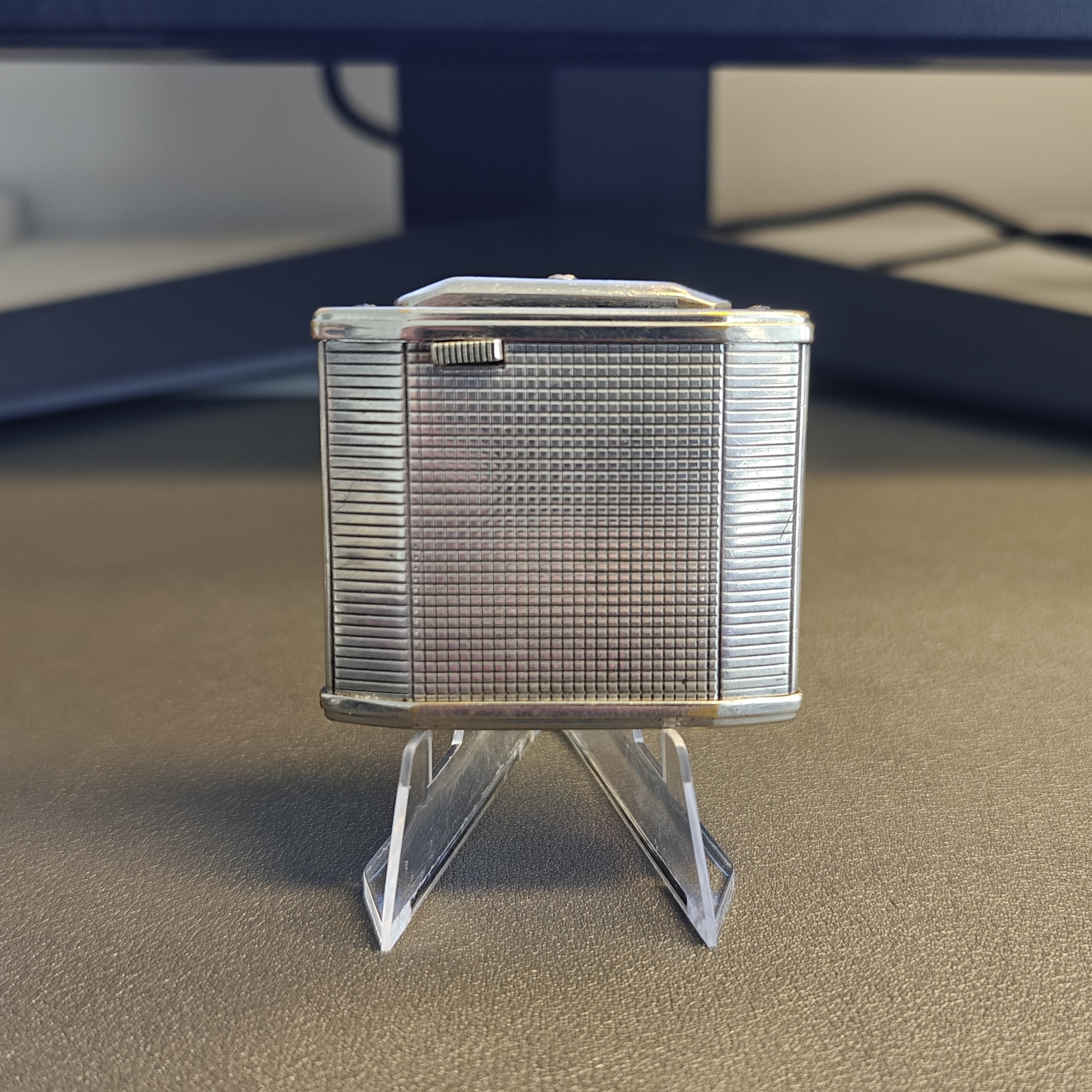

AP 60
1949-19621. AP60 Standard Igniter Guarantee (Chrome Base, No Precious Metal Housing)
Time to market: 1949 years
Discontinued: 1962 years
Full cycle:1949–1962
2. AP60 Luxus (Gold-Plated Frame Gift Box Edition)
Time to market: 1952 years
Discontinued: 1960 years
Full cycle:1952–1960
3. AP60 Silver 835 (Pure Silver Edition)
Production Start: 1955 Years (Original new product catalog first released in Year 1955; mass production began after the precious metals workshop was completed)
Discontinued: 1962 years (discontinued simultaneously with the base model)
Full production cycle:1955–1962
4. AP60 Alpimeta Leather/Enamel (Leather and Enamel Finish)
Time to market: 1956 years
Discontinued: 1962 years
Full cycle:1956–1962