Return Brand List
Chinese Name
Thousand Sparks
Country
Germany
Manufacturer
Mylflam Metal Goods GmbH
Year Founded
1860 year
MYLFLAM
Brand Introduction
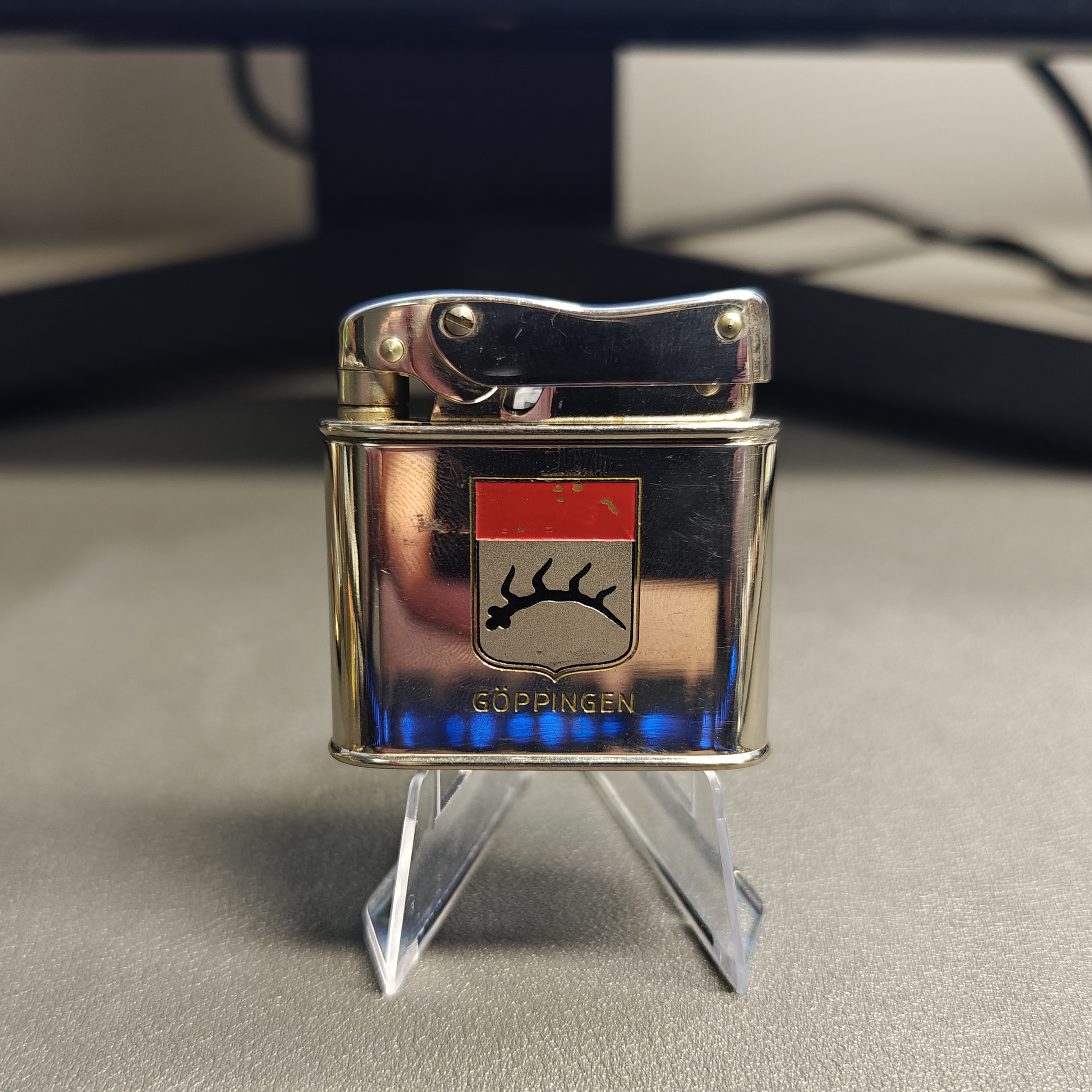
MYLFLAM is one of Germany's largest and most technically advanced manufacturers of premium lighters and metal smoking accessories in the 20th century. Founded in 1860 by legendary German inventor and industrialist Heinrich Maltner, the brand was established in Offenbach/Frankfurt am Main, Hesse, Germany.
In the world of antique lighter collecting, MYLFLAM holds a prestigious position as the birthplace of Europe's "semi-automatic side-slide ignition mechanism" technology (the first Rowenta lighter was built using patent licensing acquired from MYLFLAM).
Known for its rugged stainless steel and sterling silver mold stamping, exquisite 3D relief cases (often depicting Dutch scenes or Baroque tavern settings), and highly innovative side-slide mechanical feel, the factory operated until 1976, spanning a full century of human lighter history.
Milestones
1. Founding of the Family Metal Workshop and Era of Communication Supplies (1860 — 1910s)
In 1860, Heinrich Maltner established a metal hardware workshop. For its first few decades, the factory leveraged Hesse's advanced metallurgical industry to produce high-end office metal accessories, cable distribution boxes, clock casings, and other precision stamped parts. During this period, the company accumulated formidable expertise in precious metal plating and die-stamping.
2. Explosion of Smoking Accessories and the "1000" Technological Revolution (1920s — 1938)
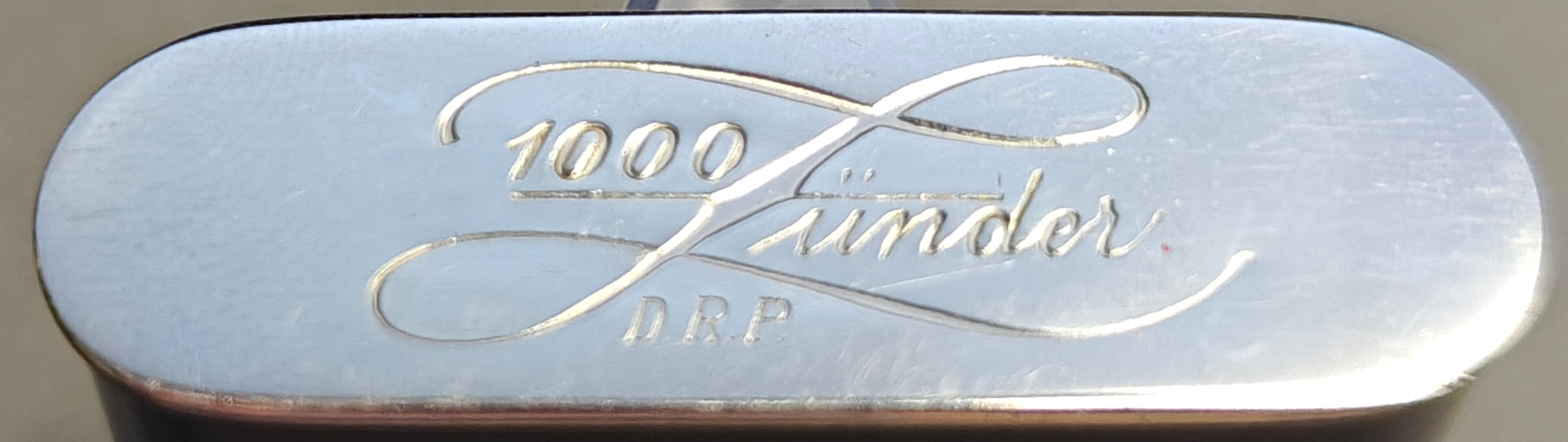
Following World War I, the civilian tobacco market boomed during the Weimar Republic era. Heinrich Maltner敏锐ly pivoted into the luxury smoking accessories sector. In the early 1930s, MYLFLAM launched the renowned European "Zünder 1000" (10-Strike / 1000-Ignition) semi-automatic gasoline lighter, followed by a series of groundbreaking connecting rod and slider patents. Due to massive production volumes, its movement units were directly purchased by numerous European luxury brands (such as silver casing workshops) for rebranding and resale, marking the company's golden age.
3. Wartime Controls and Post-War Reconstruction in the U.S. Zone (1939 — Early 1950s)
During World War II, located in Frankfurt's core industrial district, the factory suffered heavy Allied bombing raids, and raw materials were forcibly requisitioned by the Nazis, causing severe disruption to production. After WWII ended in 1945, Frankfurt was placed under the U.S. occupation zone. Starting in 1947, the factory rapidly rebuilt amidst the ruins. To earn foreign exchange and cater to U.S. troops stationed in West Germany, MYLFLAM produced classic models like the B51, many featuring bottom engravings reading "Made in Western Germany" or "U.S. Zone."
4. Gas Revolution Transition and Final Closure (Late 1950s — 1976)
By the late 50s, the butane gas revolution swept across Europe. MYLFLAM responded with its famous Diplomat desktop gas series and Record pocket gas series. However, by the 70s, the price wars driven by Japanese micro-electronic movements and the global flood of disposable plastic lighters made it unsustainable for traditional German mechanical manufacturers with high local labor costs to continue operating. In 1976, after exactly 116 years, MYLFLAM officially announced the permanent closure of all factories, ending lighter production and turning these items into rare collectibles.
Brand Patent
View AllThis brand has no patent information.
Ads & Articles
View AllNo ads or articles available for this brand.