Return Brand List
Chinese Name
Calvin Klein
Country
Germany
Manufacturer
Karl Wieden GmbH
Year Founded
1905 year
KW
Brand Introduction
KW (Karl Wieden) was founded in 1905 by Karl Wieden in Solingen, Germany—the world-renowned capital of precision cutlery and blade manufacturing.
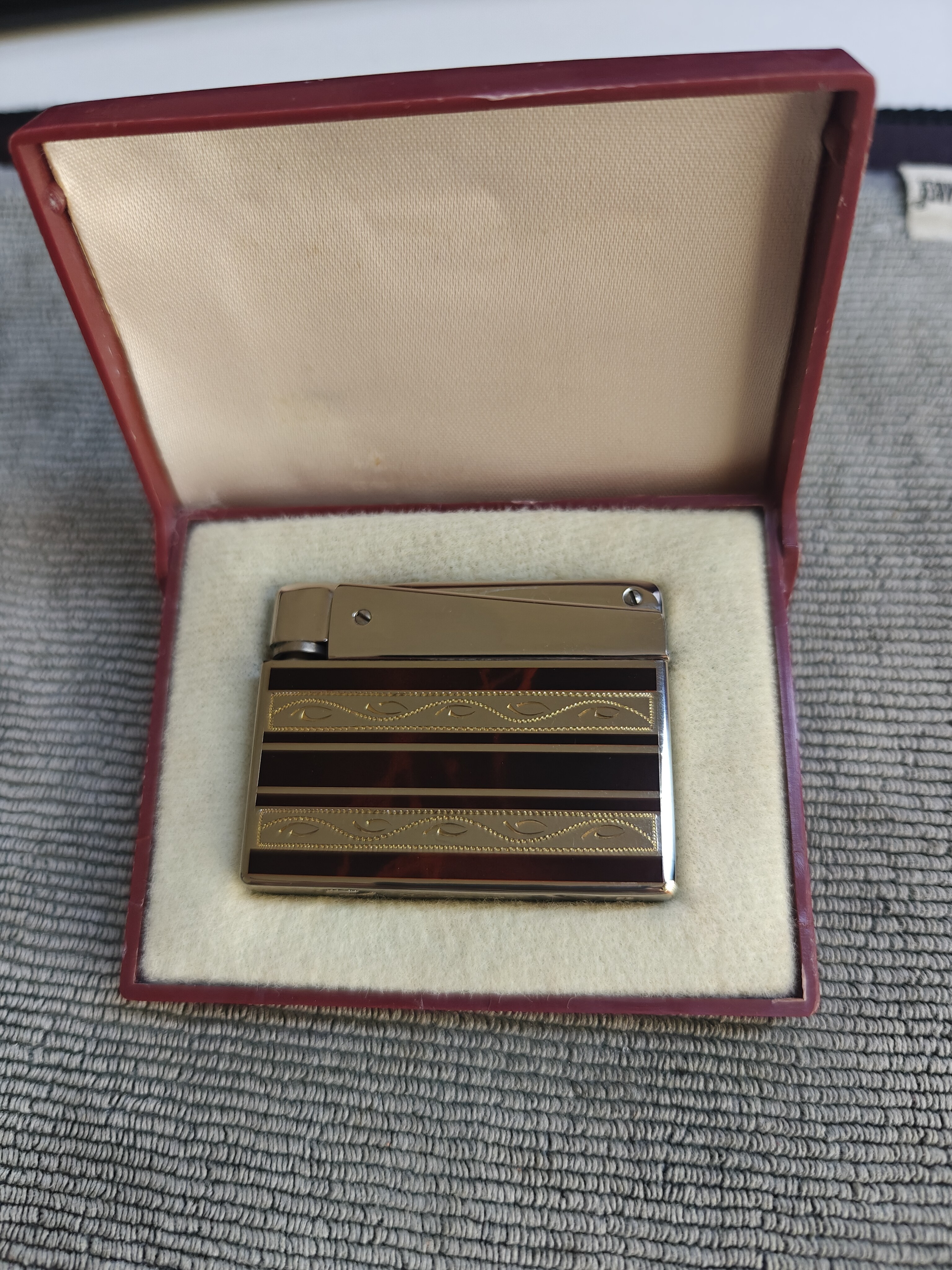
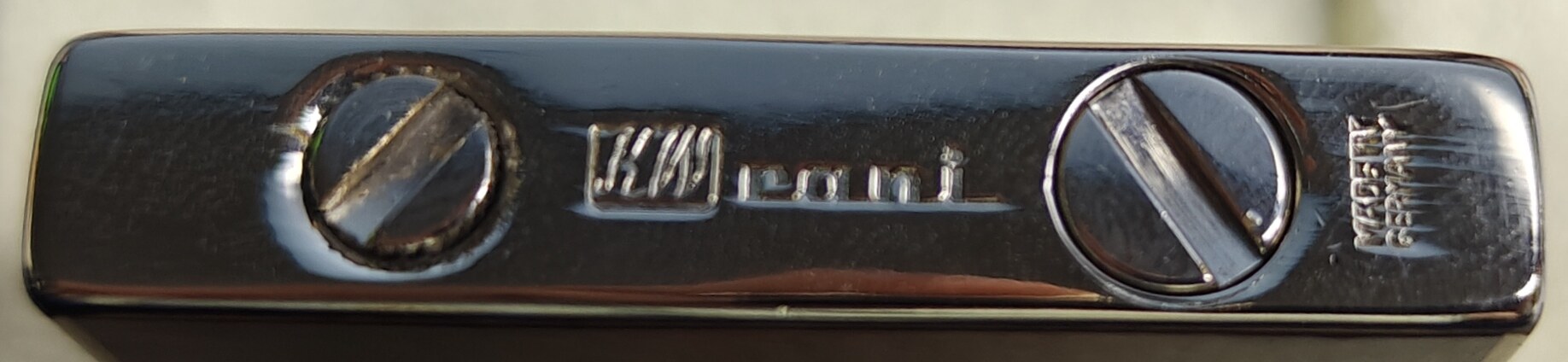
In the world of antique lighter collecting, KW is a legendary brand with an exceptionally high technical standing, often hailed as the "cradle of inventors." Solingen's unparalleled metal smelting and mold-grinding craftsmanship endowed KW lighters with German-tier locking precision and ultra-luxury high-purity silver casings (such as 835 silver and 925 silver). With strong in-house R&D capabilities, KW's mechanical innovations not only shone across Germany but also saw their patents licensed to or directly copied by renowned tobacco accessory manufacturers in France, the UK, and other countries. The factory operated through numerous challenges from 1905 until the early 70s of the 20 century.
Milestones
1. The Precision Era of Solingen Steel (1905 – 1919)
In 1905, Karl Wieden established a factory in Solingen. Initially, the company leveraged the region's exceptional supply chain for specialty steel and blade manufacturing to produce high-precision metal hardware, razor components, and military stampings. During World War I, the factory supplied vast quantities of precision metal parts to the German Imperial Army, laying an extensive foundation in mechanical fatigue-resistant design that would later support their transition into lighter manufacturing.
2. The Patent Boom & Continental Collaboration Golden Age (1920s – 1939)
Starting in the 1920s, KW focused intensely on mechanical lighters. Karl Wieden himself and his family members were gifted inventors who secured dozens of groundbreaking European patents, including "Fully Automatic Horizontal Slide" and "Semi-Auto Linkage" mechanisms.
Global Contract Manufacturing: During this period, Myon, a top-tier French lighting manufacturer, was captivated by KW's rugged German engineering. The two companies formed a deep technical alliance, with KW secretly producing large volumes of dual-branded "KW-Myon" fully automatic models for the French market.
3. WWII Fire & Frontline "Steel Heavyweights" (1940 – 1945)
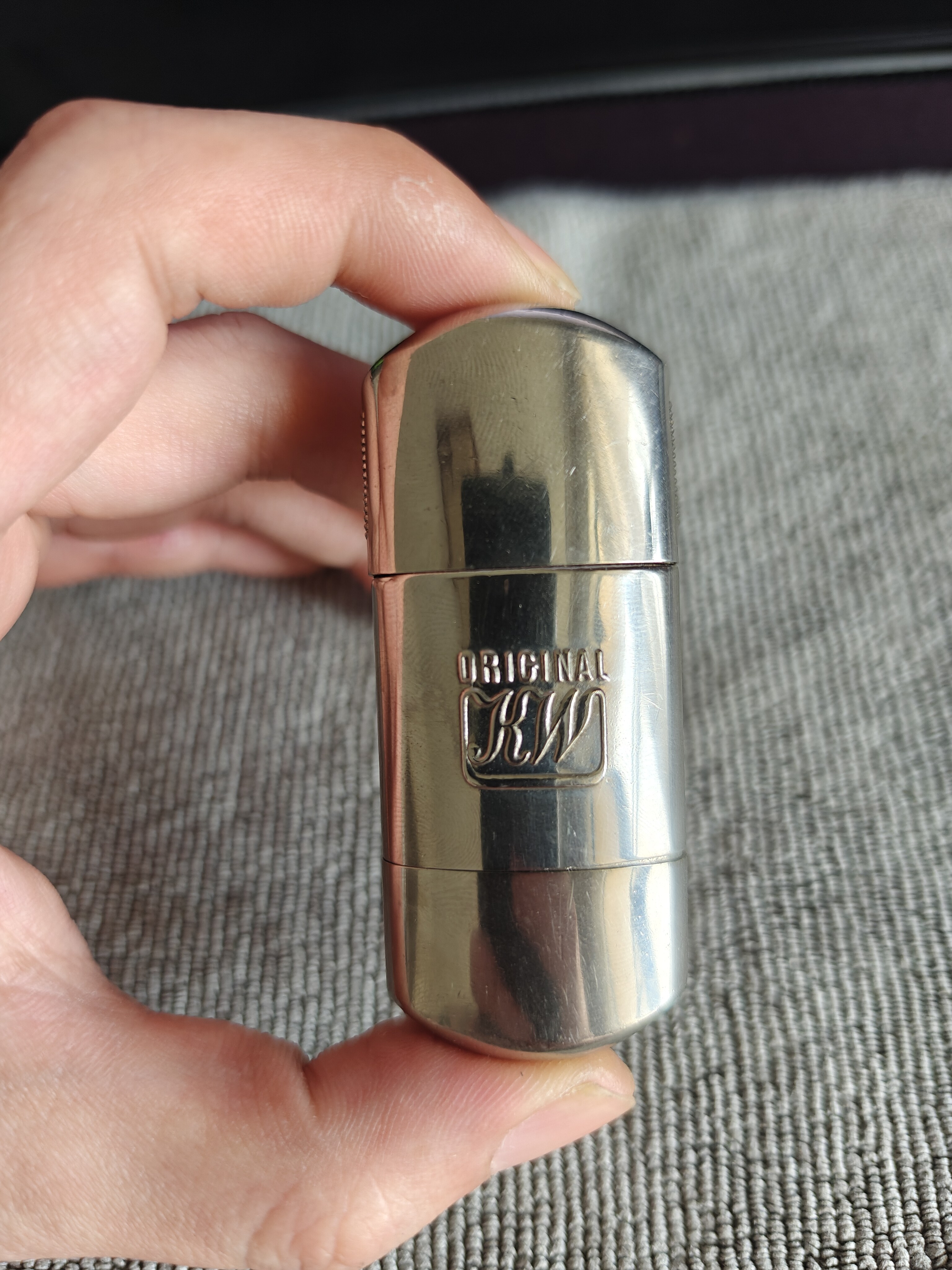
During World War II, due to the critical demand from frontline German troops for highly reliable windproof lighters, KW became a preferred brand among military procurement officers. Their iconic "KW Original" gasoline lighter, renowned for its durability and resistance to freezing, was carried by thousands of soldiers to both the Eastern and Western fronts. In 1944, the Solingen industrial district suffered heavy damage from Allied bombing raids.
4. Post-War Recovery & Farewell to the Gas Era (1946 – Early 1970)
After World War II, KW rapidly rebuilt operations within the legal frameworks of the British and American occupation zones. In the 50s, facing the butane revolution, KW launched the Capri gas series. However, Solingen's expensive hand-assembly costs collided with Japan's tsunami of low-priced micro-electronic movements in the 70s. Around 1970 to 1973, Karl Wieden officially announced the permanent closure of all production lines.
Brand Patent
View AllView details
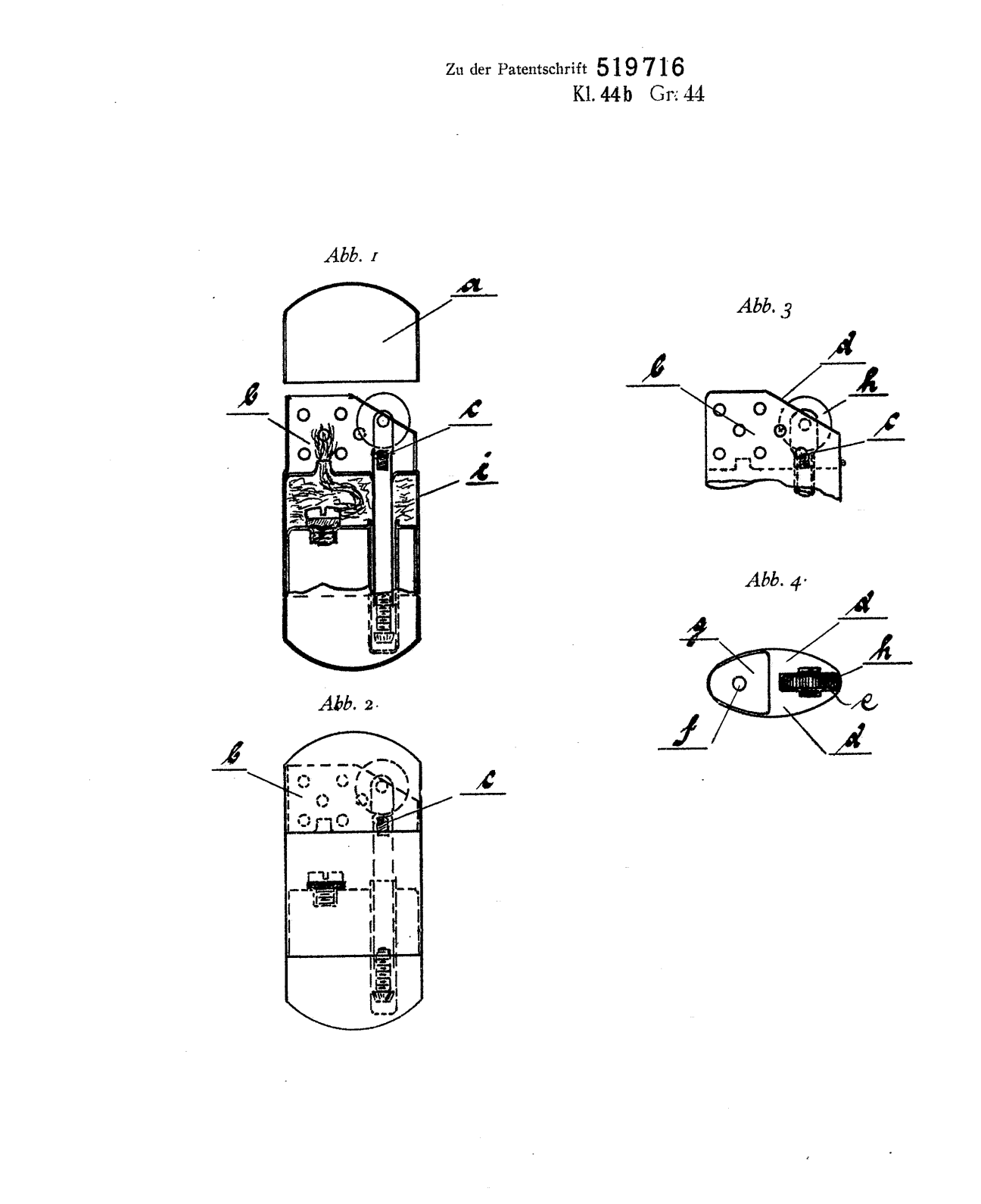
GermanyPatent1932Year
Patent No.:DE 519716 C
Application Date:1932, 01 28
Registration Date:1932, 02 11
View details
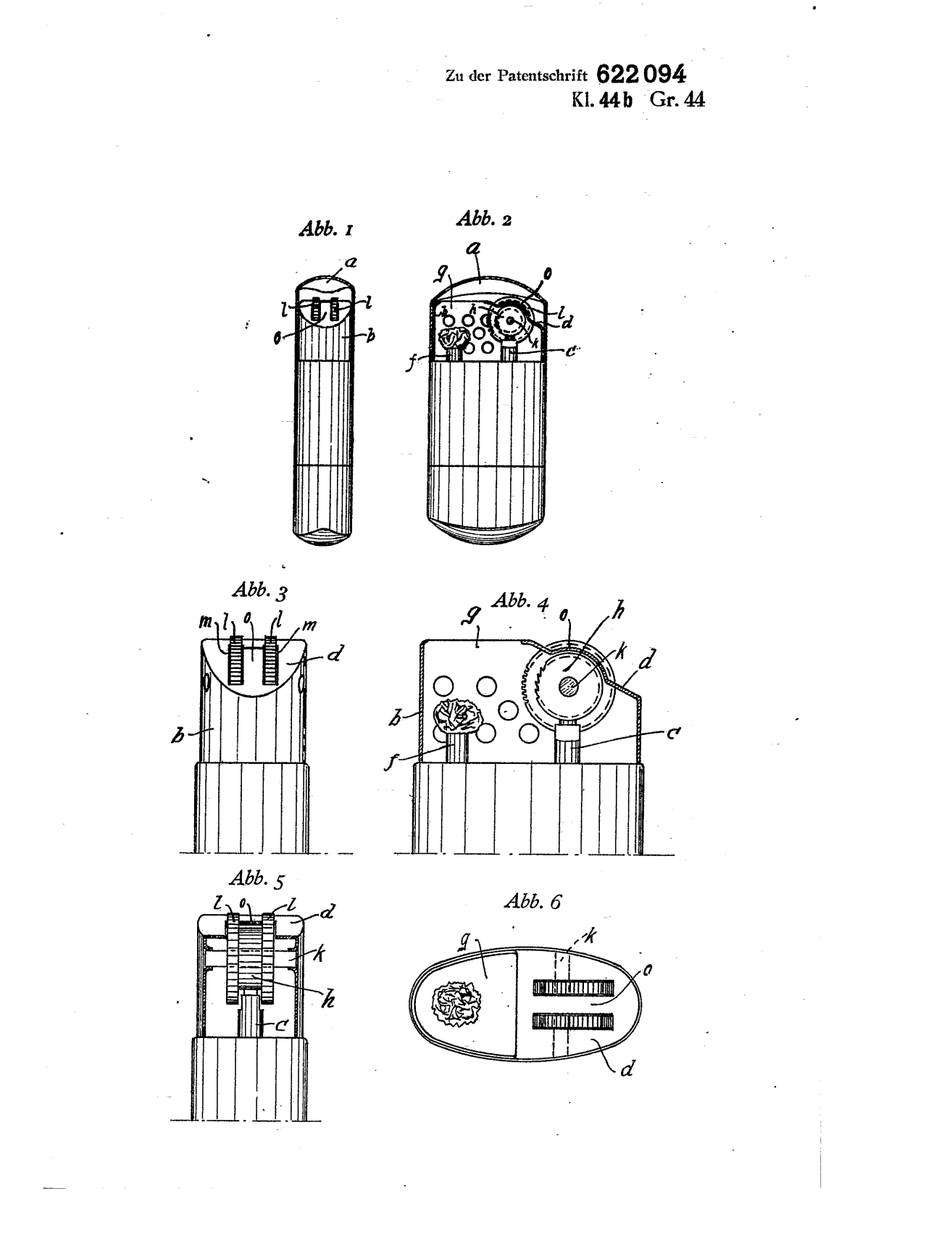
GermanyPatent1935Year
Patent No.:DE 622094 C
Application Date:1935, 11 19
View details
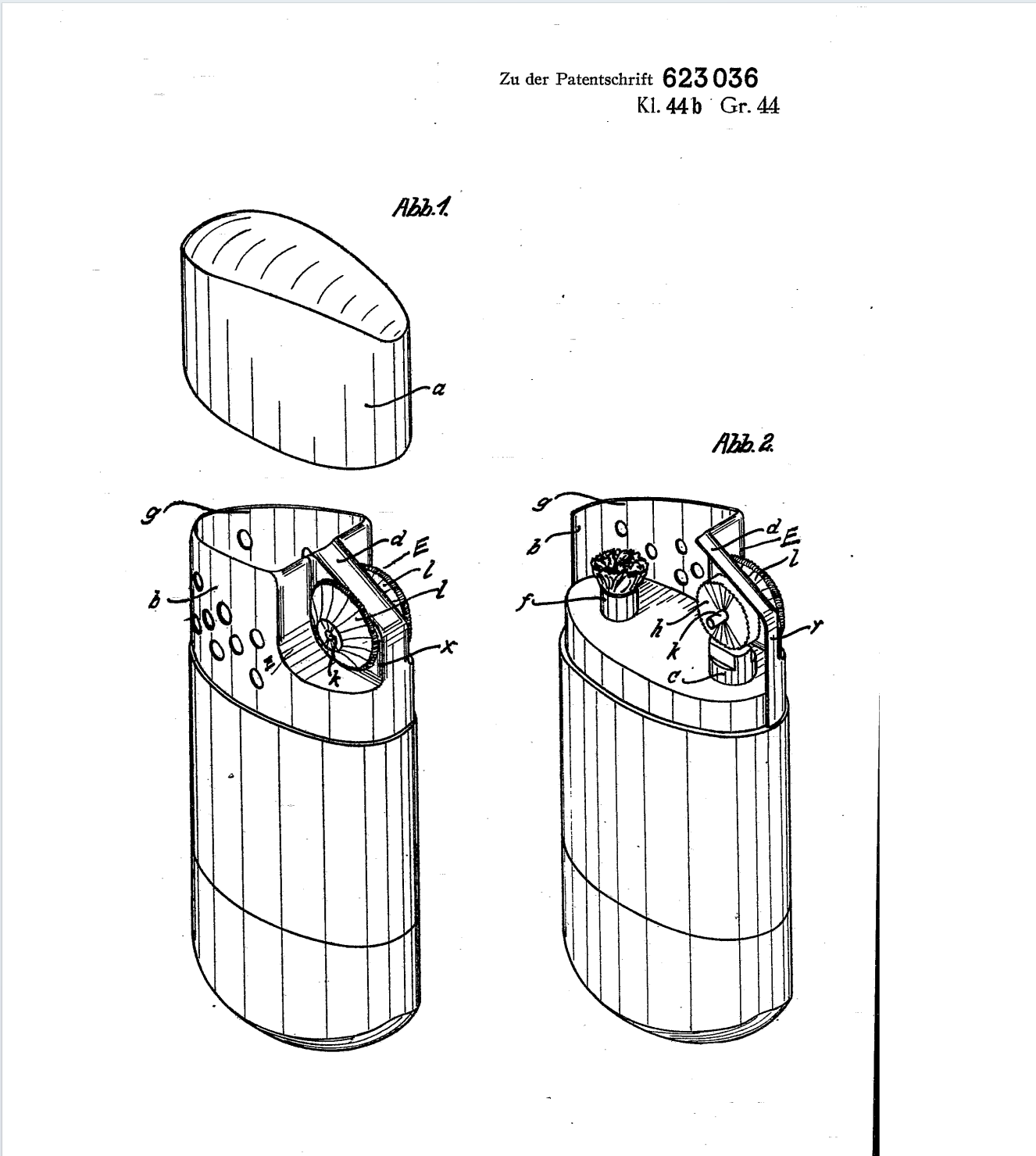
GermanyPatent1935Year
Patent No.:DE 623036 C
Application Date:1935, 12 11
View details
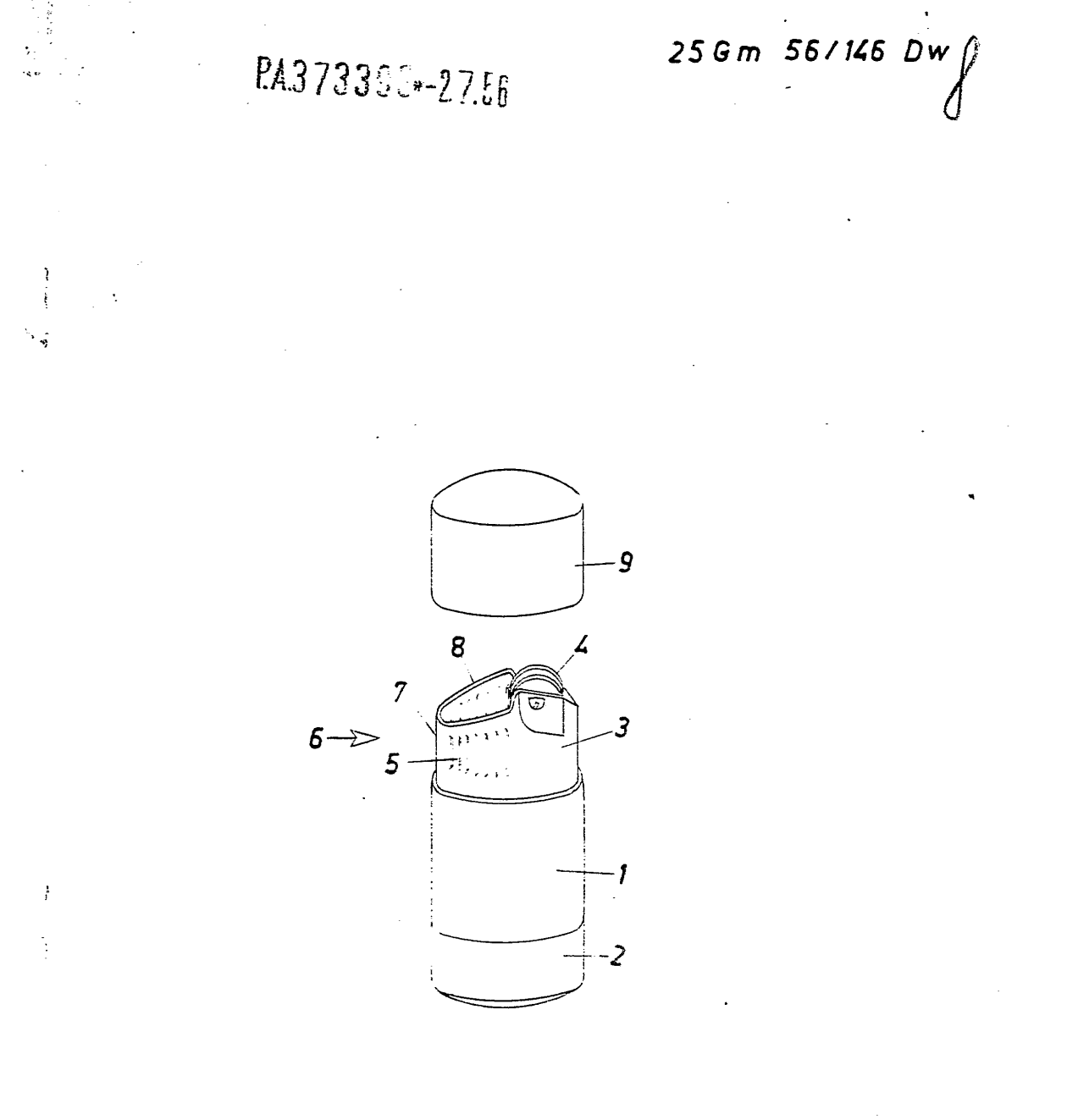
GermanyPatent1958Year
Patent No.:P.A.373393-27.56
Application Date:1958, 11 08
Ads & Articles
View AllNo ads or articles available for this brand.